In life, most of us want stuff we’ve pictured in our heads. We got plans and ideas, some of them straight from the big guy upstairs, that we wanna see happen. We wanna be happy, successful, and healthy, which is all normal and human. So, when life throws us curveballs that we didn’t sign up for, it can feel like something went sideways or like we messed up somewhere along the way.
In real life, sometimes things happen that we don’t always understand. It’s like life has a plan for us, and these tough times are meant to help us grow and learn. It’s like life is saying, “Hey, wake up and pay attention! There’s something deeper going on here.” These challenges are meant to show us what we’re made of and make our lives more meaningful.
Often, it takes a big event to shake us up and make us realize that the ego isn’t really in control. Losing control can be humbling and help us see the bigger picture. It reminds us that there’s a lot we don’t know about the universe, and what we do know is just a tiny part of the big mystery we’re all a part of.
This mindfulness stuff makes us less tense and more easygoing because it helps us let go of our stubbornness and accept things as they are. Another cool thing about going through tough times is that we get to see all the old issues and emotional baggage that are blocking us from feeling happy. Happiness is always there inside us, whether things are going our way or not. Even when we’re feeling down, we can still believe that we can find happiness if we’re willing to accept the situation and work through it.
Picture this: you’re like a character from a fairy tale, lost in the middle of a gloomy forest, feeling scared and all alone. But here’s the thing, that journey through the dark woods, as gloomy as it may seem, has its unique beauty and depth. It’s like a transformative experience. When you come out on the other side, you’ll be a whole new person—lighter, brighter, bolder, and more confident for having faced that darkness.
The ocean is like a giant mirror, reflecting back to us the depths of our own inner world.
The sea is a lot like us – it’s always changing. From afar, it might seem steady and the same all over, but if you get closer, you’ll see that it’s unpredictable, sensitive, and powerful. It’s like we have a lot to learn from the ocean, ’cause it’s kinda like a reflection of our inner selves. The waves crashing and the salty air can be really calming and refreshing.
Not everyone gets to live by the beach or even visit the coast, but that doesn’t mean we can’t enjoy the ocean. We all have pictures of the ocean in our heads, from things we’ve seen and read. We can use those mental images to help us chill out and feel better.
So, to get started, grab any beachy stuff you have lying around. Seashells, some sand in a jar, ocean glass, rocks that the waves have smoothed out, or a recording of the ocean’s sounds can help you get deeper into this meditation, but they’re not a must. Just sit back, chill, and start picturing the ocean in your mind. Let all your senses join in on the imaginary adventure.
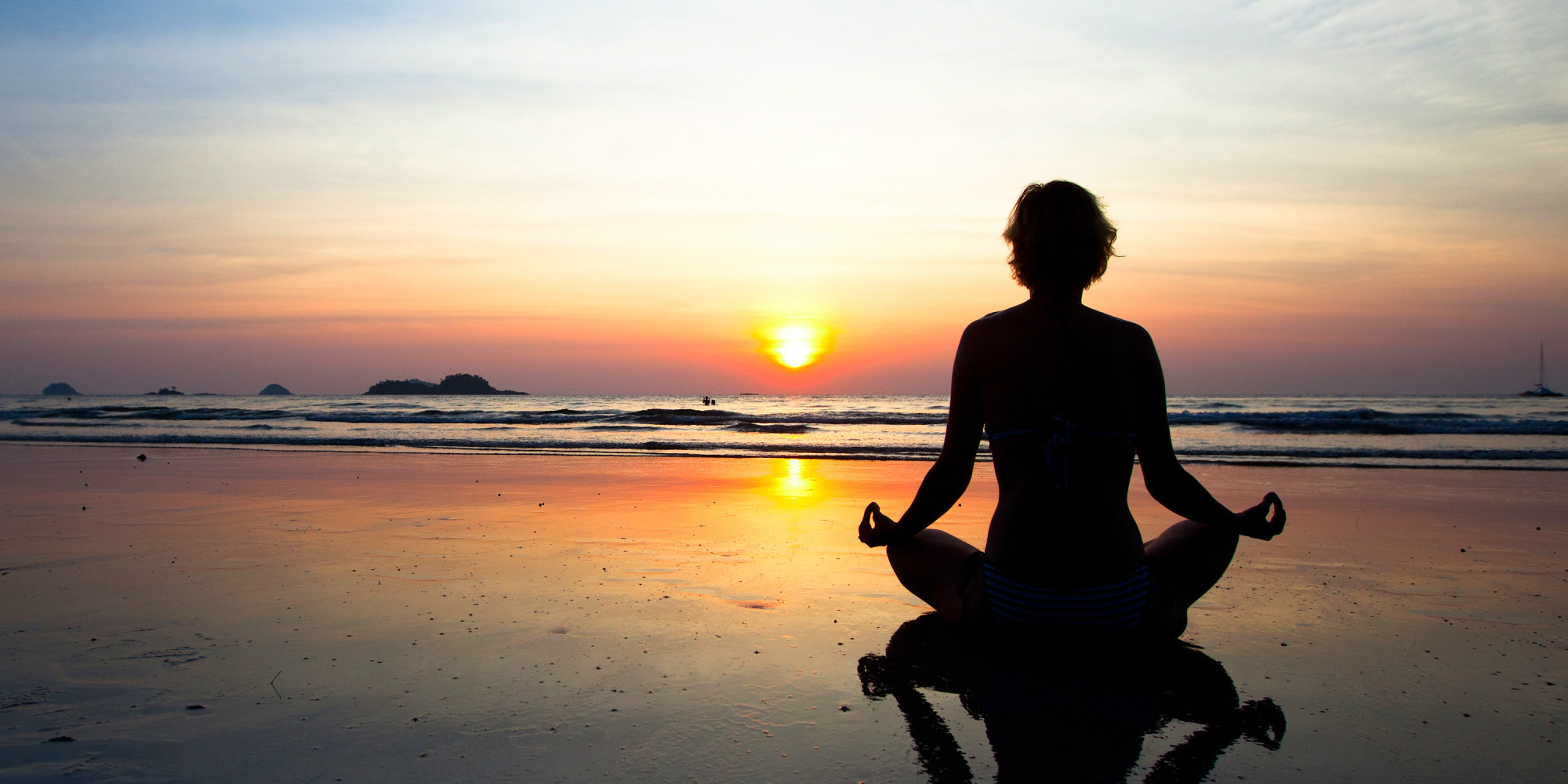
Picture yourself standing there, on the beach, sand between your toes and the ocean breeze keeping you cool. The waves crash against the shore, making this crazy rhythm that’s so calming. Take a deep breath, and smell that salty air. Look up, and you’ll see the sun reflecting off the water, creating this amazing mix of colors that you can’t even believe are real. And if you’re lucky, you might even see some dolphins or whales playing in the waves. They’re there to make your day even better. Just chill out there for a few minutes and take it all in.
So, you’re chilling on the beach, gazing out at the ocean, and watching the waves come and go. Each wave brings with it healing vibes, you know? It’s like the ocean’s sending you love and light, the sun’s got your back, and Mother Earth’s grounding you in the present moment. Don’t forget to bring your journal!
Once you’re done, take a moment to be thankful to the ocean for its help. Don’t forget to thank the sun, the sand, and anything else from your imagination that guided you. Do this every day, week, or month to get rid of negative feelings and bring your emotions back into balance. The waves in our mind’s eye can clean our souls, just like the ocean’s tides wash away debris and keep the environment in check.
Slow Living or Slow Travel is more than just a way of doing things. It’s a way to live a more meaningful life, where you have time to prepare your food, talk to your neighbors, and use your money wisely. For some people, it’s also a protest against the way industry is making us consume the Earth’s assets and natural resources.
Some Characteristics of Slow Travel
Visit fewer places with more time.
Support local businesses to shop, sleep, eat, and visit.
Take time to connect with the place and with yourself.
Visit the destination more like a local, for example, using the bus service.
Slow travel means getting to know the locals, their food, culture, and way of life. It also means supporting local businesses and exploring off-the-beaten-path destinations. Slow travel recognizes that we need to take our time to experience new things and process them. As novelist Pico Iyer writes in The Art of Stillness, “movement makes the most sense when set within a frame of stillness.”
Slow travel has been around for a while, but it’s gained traction in recent years as more people become more conscious of how they want to live and the impact they’re having on the environment.
It’s an approach to travel that’s all about taking your time and experiencing everything as deeply as possible. Instead of trying to see as much as possible, slow travelers focus on really getting to know the places they visit.
How to Embrace a Slower Way of Travelling
Journey Slower
You’ve probably heard the saying, “Life’s about the journey, not the destination.” A slow travel mindset embraces this idea. It’s about taking the time to enjoy the journey and experience the places you visit. Slow travel often involves traveling by train, walking, boat, or bike. These modes of transport allow you to take in your surroundings and connect with the places you visit. In recent years, there’s been a growing trend towards slow travel, as people become more aware of the environmental impact of air travel. Slow travel is a great way to see the world and reduce your carbon footprint.
Walk More
The saying goes, “Not all those who wander are lost.” And it’s true. Exploring a new place on foot is one of the best ways to experience it. Getting off the beaten path to see where and how the locals live can be an enriching part of your trip. You’ll also likely find restaurants that cater to residents, rather than tourists. Just make sure you have a sense of where not to wander, though. For some areas, it may be best to take a local guide.
Look Up
When we’re navigating, we’re often staring at a paper map or a smartphone app. Slow travelers make time to look up and take in the architecture or natural surroundings of where they are, not just where they’re headed.
Stay Longer
A slower approach to travel means seeing less but experiencing places more deeply. To allow yourself to connect with a destination, and travel using trains or slower modes of transport, you might want to stay away for longer. If extending a trip isn’t possible or affordable, a slow travel mindset encourages you to try to pack less in, allowing you to spend more time enjoying fewer locations.
Eat Local
Supporting local businesses, and especially local and regional culinary traditions, is a big part of the slow food movement, which sparked the broader slow movement. Trying the authentic cuisine of a place is a big part of slow travel, helping visitors connect with the locals, their land, and their traditions.
Connect
In addition to taking your time to experience a destination, you can connect more deeply by talking to locals or taking part in activities like cooking or language classes. We also often travel because we need to take a break from our busy schedules at home.
Traveling is a great way to reconnect with yourself and get a refreshed outlook on life. But don’t wait until your next vacation to slow down and take some time for yourself.
Why Travel Slow?
Slow travel boasts a range of advantages over traditional jam-packed holiday itineraries. Some of the benefits of slow travel can include:
Returning home rested and revitalized
Escaping your comfort zone
Expanding your horizons and knowledge of other cultures first-hand
Contributing more to the local economy
Making lasting, unique memories
Reconnecting with yourself
Reducing environmental impact
Adopting a slow travel mindset can also help you see your surroundings with fresh eyes. In other words, the art of slow travel doesn’t mean to travel far, it just means to travel deeply.



 Lifestyle-by-designs