Posted in Uncategorized

Have you ever followed the latest interior design trends only to be left feeling underwhelmed? Or worried about the environmental impact of your purchases? Slow interiors, like slow food and slow fashion, offer an alternative approach to designing, decorating, and styling your home. It’s about making slower, more considered, and thoughtful decisions.

Outshine trends with slow interiors

Homeware trends may move slower than fashion trends, but we’re all still susceptible to buying the latest look without thinking it through. We might regret it later because it goes out of style quickly, doesn’t match our other furniture, or is just plain impractical. These are all things we didn’t consider when we were caught up in the moment.

Adopting a slow-living mindset for your home means creating a space that is uniquely yours. It’s a great way to personalize your home and make it feel like a true reflection of your personality. So take your time, be thoughtful about your choices, and create a home that you’ll love for years to come.

  • Decorate in your own style and don’t worry about trends.
  • Appreciate craftsmanship and design.
  • Buy less but buy better quality.
  • Do your research on sustainability.
  • Take care of your stuff.
  • Upcycle and buy vintage.
  • Make your home for you and your needs.

Slow interiors are all about taking your time to think about how you want your spaces to feel. It’s about creating a nurturing home that truly reflects what’s important to you. Before you make any purchases, take some time to consider who and what purposes your home will serve. Choose the most sustainable options within your budget, or make the most of what you already own. Slow interiors are about creating a space that you love and that makes you feel good.

Identifying the true usage of your home and interior spaces

Kate Watson-Smyth, author of Mad About The House, says you should ask yourself six key questions before decorating a room. She says if you don’t, you’ll “end up with a room that doesn’t work for the people who live there – which means they won’t use it.”

Here are the six questions:

  1. What do you want to use the room for?
  2. Who will be using the room?
  3. What style do you want?
  4. What colors do you like?
  5. What furniture do you need?
  6. What’s your budget?

Watson-Smyth says it’s important to answer these questions honestly so you can create a room that’s functional and stylish.

If you don’t think about what you want to achieve in a room and who it’s for, you’ll probably end up redecorating sooner than you want to. And that’s no fun!

Decorating true to your own stylishness!

Do you buy things because you saw them in a magazine or on Instagram, or because they reflect your personal style?

If you see a piece of furniture or decor that you love, don’t buy it right away. Walk away, or close the tab. Come back to it in a few days, or even a few weeks, and see if you still love it just as much. It’s easy to get swayed by the way items are styled in other people’s homes, but it’s important to make sure that the piece will actually work in your own space.

Don’t rush into decorating your home! Take the time to create a mood board and slowly find the right items. You’ll be living with your décor for years, so it’s important to be happy with it. If you buy something you’re not entirely sure about, you’re likely to end up feeling discontented and wanting to change it again soon. So take your time, be patient, and create a home that you love!

Choosing quality and craftsmanship

This means choosing items with simple, timeless designs and sturdy materials that will last for years to come. This is a good idea because it will save you money in the long run, as you won’t have to replace items as often. It will also help you create a more stylish and cohesive home, as your items will complement each other.

Fast Interiors is all about cheap homewares brands and mass production. On the one hand, it’s great because it allows more people to design a stylish home on a budget. On the other hand, it can lead to a throwaway culture where people buy things without thinking about how long they’ll last. That’s why we’re big fans of slow interiors. With slow interiors, you focus on buying the best quality items you can afford, even if they cost a bit more upfront. This way, you can be sure that your home will look stylish and last for years to come.

If you buy quality hardwood furniture, it will last longer and you won’t have to replace it as often. When you’re shopping for furniture, think about how durable it is and where you’re going to put it. Furniture in high-traffic areas of your home will wear out more quickly.

Handmade items are unique and imperfect, just like the people who make them. They’re a chance to slow down and appreciate the hours of work that went into creating them. And when you buy handmade, you’re supporting makers and creatives, and sometimes even helping to preserve long-established skills and trades. So next time you’re looking for something special, consider shopping small and supporting handmade. You won’t be disappointed.

LET’S START A MOVEMENT: BRING BACK HANDMADE ITEMS SHOPS!

It’s easy to get into a disposable mindset when there’s always something new and cheap on the market. But if you really love your home and appreciate the value of the things in it—both your own investment and the designer’s—you’ll be more likely to take care of it.

Buying sustainably and upcycling

Buying furniture from antique shops or second-hand marketplaces is a great way to furnish your home sustainably. Upcycling these pieces, or your own, is another great option. It’s a win-win for the environment and your wallet!

Just like when you buy a new house, you need a little imagination to see the potential in something. And sourcing vintage or rustic items can add real depth and character to a home.

Check out the Japanese concept of wabi-sabi, which celebrates the imperfect and authentic. Sure, some vintage and antique pieces can be pricey, but they don’t have to be. You can find some amazing finds on Facebook Marketplace, charity shops dedicated to furniture, car boot sales, and flea markets. The rental economy is also on the rise in the interior space, giving you the option to rent furniture like sofas instead of buying them outright.

Final thoughts on slow interiors

  • When designing a slow-living space, keep your lifestyle and needs at the forefront. This will help you avoid buying stuff that doesn’t work for you.
  • Take your time to make the right choices for pieces that you’ll love for years to come. Don’t buy into every trend that comes along.
  • Choose high-quality, durable items that you can afford. Think about the brands you want to support.
  • Upcycle and buy second-hand whenever possible. Do some research on sustainable materials to help reduce your home’s environmental impact.
  • A slow-living home evolves over time. There’s no such thing as a “finished” room. Enjoy the journey and let your spaces grow with you.

Peace & Harmony, Cheryl

Posted in Uncategorized

Did You Travel Slow This Holiday Season?

What is Slow Travel?

Slow Living or Slow Travel is more than just a way of doing things. It’s a way to live a more meaningful life, where you have time to prepare your food, talk to your neighbors, and use your money wisely. For some people, it’s also a protest against the way industry is making us consume the Earth’s assets and natural resources.

Some Characteristics of Slow Travel

  • Visit fewer places with more time.
  • Support local businesses to shop, sleep, eat, and visit.
  • Take time to connect with the place and with yourself.
  • Visit the destination more like a local, for example, using the bus service.

Slow travel means getting to know the locals, their food, culture, and way of life. It also means supporting local businesses and exploring off-the-beaten-path destinations. Slow travel recognizes that we need to take our time to experience new things and process them. As novelist Pico Iyer writes in The Art of Stillness, “movement makes the most sense when set within a frame of stillness.”

Slow travel has been around for a while, but it’s gained traction in recent years as more people become more conscious of how they want to live and the impact they’re having on the environment.

It’s an approach to travel that’s all about taking your time and experiencing everything as deeply as possible. Instead of trying to see as much as possible, slow travelers focus on really getting to know the places they visit.

How to Embrace a Slower Way of Travelling

  • Journey Slower

You’ve probably heard the saying, “Life’s about the journey, not the destination.” A slow travel mindset embraces this idea. It’s about taking the time to enjoy the journey and experience the places you visit. Slow travel often involves traveling by train, walking, boat, or bike. These modes of transport allow you to take in your surroundings and connect with the places you visit. In recent years, there’s been a growing trend towards slow travel, as people become more aware of the environmental impact of air travel. Slow travel is a great way to see the world and reduce your carbon footprint.

  • Walk More

The saying goes, “Not all those who wander are lost.” And it’s true. Exploring a new place on foot is one of the best ways to experience it. Getting off the beaten path to see where and how the locals live can be an enriching part of your trip. You’ll also likely find restaurants that cater to residents, rather than tourists. Just make sure you have a sense of where not to wander, though. For some areas, it may be best to take a local guide.

  • Look Up

When we’re navigating, we’re often staring at a paper map or a smartphone app. Slow travelers make time to look up and take in the architecture or natural surroundings of where they are, not just where they’re headed.

  • Stay Longer

A slower approach to travel means seeing less but experiencing places more deeply. To allow yourself to connect with a destination, and travel using trains or slower modes of transport, you might want to stay away for longer. If extending a trip isn’t possible or affordable, a slow travel mindset encourages you to try to pack less in, allowing you to spend more time enjoying fewer locations.

  • Eat Local

Supporting local businesses, and especially local and regional culinary traditions, is a big part of the slow food movement, which sparked the broader slow movement. Trying the authentic cuisine of a place is a big part of slow travel, helping visitors connect with the locals, their land, and their traditions.

  • Connect

In addition to taking your time to experience a destination, you can connect more deeply by talking to locals or taking part in activities like cooking or language classes. We also often travel because we need to take a break from our busy schedules at home.

Traveling is a great way to reconnect with yourself and get a refreshed outlook on life. But don’t wait until your next vacation to slow down and take some time for yourself.

Why Travel Slow?

Slow travel boasts a range of advantages over traditional jam-packed holiday itineraries. Some of the benefits of slow travel can include:

  • Returning home rested and revitalized
  • Escaping your comfort zone
  • Expanding your horizons and knowledge of other cultures first-hand
  • Contributing more to the local economy
  • Making lasting, unique memories
  • Reconnecting with yourself
  • Reducing environmental impact

Adopting a slow travel mindset can also help you see your surroundings with fresh eyes. In other words, the art of slow travel doesn’t mean to travel far, it just means to travel deeply.

Peace ♥ Harmony, Cheryl

Posted in Uncategorized

Slow-Living Series – Slow Fashion

“Seventy-five percent of fashion supply chain material ends up in landfills. This amounts to the equivalent of one garbage truck of textiles per second.’”

Pulse of the Fashion Industry 2018 Report

What is Slow Fashion?

“The movement works towards creating an industry that benefits the planet and all people. ”

The term was first coined by author, design activist, and professor Kate Fletcher. She defines slow fashion as being based on quality rather than how long it takes to produce. Other slow fashion pioneers say that the movement encourages slower production, combines sustainability with ethics, and ultimately encourages consumers to buy well-made and long-lasting clothes.

Slow, ethical, and sustainable fashion all aim to achieve the same goal: changing our relationship with clothes. Slow fashion, however, also takes into account a brand’s practices and a customer’s shopping habits. The movement is working to create an industry that benefits the planet and everyone in it. In a perfect world, slow fashion would be the norm.

QUALITY CLOTHING MADE TO LAST

Fast fashion companies pump out new collections every week, and less than one percent of clothing materials are recycled into new clothes. Slow fashion flips that model on its head with slower production schedules, smaller collections, and zero-waste designs.

Instead of chasing trends (and filling up our landfills), these brands focus on making classic and versatile pieces that can be layered mixed and matched. This encourages customers to build minimalist wardrobes and invest in pieces that they’ll keep for a lifetime.

JOINING THE SLOW FASHION MOVEMENT

Slow fashion’s barrier to entry is fairly low—anyone can join the movement. You don’t even need to buy new clothes! Here are a few ways to get involved:

  1. Create a love story. Take a look through your closet and think about the history of your favorite pieces. Maybe you remember the time you spilled spaghetti on your favorite white t-shirt (and then saved it!). Or maybe you have a special piece of clothing that was passed down to you by a loved one. Whatever the story, put some life back into your closet by thinking about the memories that your clothes hold.
  2. Build a capsule wardrobe. This wardrobe method will have you thinking about what clothing makes sense for your lifestyle. It only allows you to have a limited number of items, so you have to make sure that your clothes are both stylish and practical.
  3. Make thoughtful purchases. Start by breaking the habit of impulse buying. Call a friend before you splurge on a new pair of shoes, or check your current wardrobe to make sure you’ll wear the item before you buy it. Consider checking out secondhand apps or thrift stores first when you’re ready to buy something new.
  4. Here are some to get you started: Ethical and sustainable clothing brands, ethical shoes, affordable (ethical) clothing brands, and organic clothing brands.
  5. Do some research: If you find a new slow fashion brand, take some time to make sure it’s legit before you start spending money on it. Check out their website for details about their design process. Is it slow, sustainable, and ethical for everyone involved? Do they disclose how and where their clothes are made? How many collections do they produce each year? Answering these questions will help you figure out if a company is practicing what it preaches. If you’re still not sure, you can always reach out to the brand via email or social media.

HOW TO PUSH BACK AGAINST FAST FASHION

Speaking out against fast fashion is a part of advocating for the slow fashion movement. If brands don’t hear from their customers, they won’t have a reason to change their supply chains. Don’t be discouraged if you can’t afford every fancy minimalist garment. You can still do your part to promote fair fashion by speaking up.

Here’s how: 

Frequent the mall?
Swing by a fast-fashion store and ask about the brand’s sustainable practices and ethical supply chain efforts. The employees probably won’t know much, but you’ll start an important conversation that might make it up the management chain. The more people ask questions, the more likely the company will listen.

Love social media?
Take to Instagram, Twitter, and Facebook to ask fast fashion brands about production practices. Fashion Revolution has a great template for this. 

A fan of email?
You can write to brands, too! Try this template for getting started: 

Dear [Insert Brand], 

Im interested in purchasing [insert garment] and would love to learn more about your brand and production methods. On your website, you state that you [insert brand claim, e.g., sustainable practices, fair trade certifications, ethical manufacturing, etc.], and Im wondering what exactly this means. Could you tell me specifically how your garments are made and how your brand protects people and the planet?

I look forward to hearing more about [insert brand]!

Thank you for your time,

[Insert Your Name]

________________________________

Other questions you can ask:

1. How do you package and ship your garments?
2. Does your brand give back or support any social initiatives?
3. Where do you source your textile materials?
4. Could you provide a transparent breakdown of your supply chain?
5. Do you have a third party to conduct regular audits of your factories?

Be the Change

We believe that social change is a journey that we all take together, learning and inspiring each other along the way. When we work together, we are stronger.

Peace ♥ Harmony, 𝓒𝓱𝓮𝓻𝔂𝓵

If you are seeking more assistance than what I can provide here, my personalized coaching programs may be precisely what you need. Schedule a free consultation to discuss what is holding you back and how I can assist you in achieving organized spaces in your lifestyle. I look forward to working with you!

NEW PHONE # 860-941-8630

A TEXT  gets to me faster: Name, Issue, the Best time to call

Email: envisionsdesigns@gmail.com

Posted in Gardening, No-Stress Garden

Slow-Living Lifestyle Series – Slow Gardening

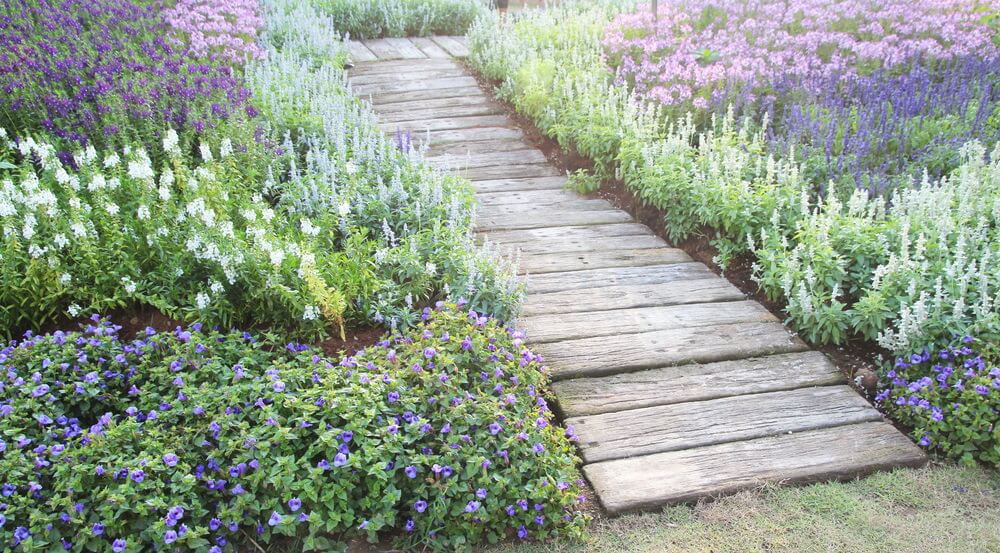
Photo by Meo Vidomia on Pexels.com

Slow Gardening: What it Means and How to Grow Slow

Slow gardening is all about taking your time and enjoying the process. It’s not about rushing to the garden center on the first sunny weekend of spring and buying up everything you see. Instead, slow gardening takes a longer-term approach that follows the changes of the seasons.

Felder Rushing, a US horticulturalist, told The New York Times, “Slow gardening should leave you with something to look at 12 months out of the year.”Focus on enjoying the process instead. And don’t forget plenty of perennials—plants that come back year after year.”

Slow gardening is all about enjoying the process of growing plants and harvesting your own produce. It’s not about creating a perfect garden or following a strict checklist. Slow gardening is about relaxing and enjoying the experience, and it’s a great way to improve your mental and physical health.

Much like the slow food movement, which promotes local food traditions and a stronger connection to the food we eat, slow gardening is all about connecting to the earth and the natural world. These two strands of slow movement are closely related, and both aim to repair the disconnect between growing and eating that has been created by our culture of convenience.

“Grow good vegetables with honest hands, make a meal that is shared around a table, and you have the bedrock, the essence of wellbeing.” ~ MONTY DON, DOWN TO EARTH

In short, slow gardening is:

  • Enjoying the process of gardening, rather than the instant gratification of a perfect garden
  • Enjoying the garden all year round
  • Feeling more connected to nature, where our food comes from, and the local environment

Embracing Slow Gardening

  • To get into the slow gardening mindset, ditch the parts of gardening that stress you out. For example, if you hate mowing the lawn or you don’t think mowing and fertilizing are sustainable, then switch to a lawn alternative, like wildflowers. There are no rules for what you should have in your garden.
  • Respect and encourage wildlife to thrive in your garden.
  • Use fewer power tools, and instead use hand or manual tools.
  • Be inspired by Felder Rushing’s penchant for recycling and reusing items in the garden for innovative containers.
  • For the best chances of success (with less effort), choose plants that will thrive in your garden without excessive care.
  • And finally, experiment with growing your own fresh produce.

Slow gardening is great for you and your plants. When you garden slowly, you can pay attention to the details, like the shape and colors of plants, and the wildlife that visits your garden. You can also reconnect with your surroundings.

It’s like using a microscope to look at your own little part of nature and see all the things that grow or live there – the things you usually wouldn’t notice in a hurry. It’s also a chance to get some exercise, fresh air, and a great sense of purpose.

Peace ♥ Harmony, Cheryl