

Who Are You?
When you take a moment to reflect on who you are deep down, you’re setting the stage for living your life to the fullest.
It’s like peeling back the layers of an onion to get to the core of your being. This process helps you rediscover your passions, values, and talents that might have been buried under layers of societal expectations or self-doubt. Embrace your true self and start living a life that’s authentically you, expressing your essence without holding back.
Getting to know yourself is like taking a trip that changes you for the better. When you finally figure out who you truly are, you’ll see your strengths and areas where you could grow. This makes it easier to make choices and do things that fit who you are. It’s like everything in your life starts to flow together better, making you feel happier and more content.
You know what? This whole mindfulness thing helps us find joy and satisfaction in the little things, like hanging out with friends and feeling like we’re part of something bigger. It’s like you start to realize what you’re good at and how you can use it to make the world a better place. And when you’re feeling good about yourself, it rubs off on other people, and they start to feel good too. It’s like a wave of positivity that spreads through your community.
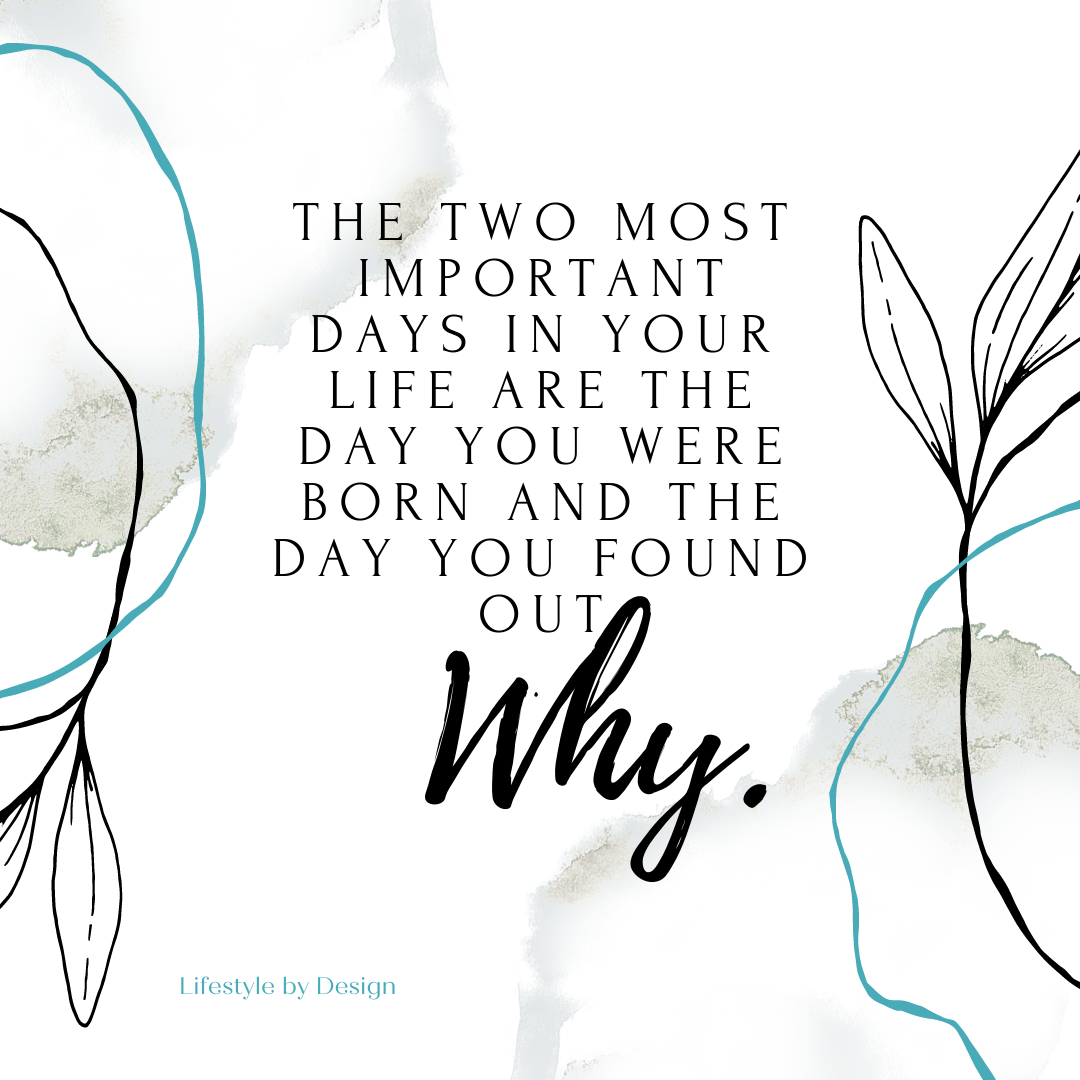
Figuring out who we are is a lifelong journey that starts from the moment we’re born and ends when we take our last breath. By staying curious and open-minded, we can appreciate the beauty of life and understand why we’re here on Earth. Taking some time for self-reflection, whether it’s through meditation, journaling, or spending time in nature, can help us understand ourselves better. These practices can help us listen to our hearts and connect with our true selves — our souls.
Here’s a step-by-step guide to help you design a meaningful self-discovery journey:
1. Set Your Intentions
- Identify Your Why: Start by understanding why you want to embark on this journey. Are you seeking clarity, healing, personal growth, or something else?
- Define Your Goals: Set clear, achievable goals for your journey. This could be understanding your passions, identifying your strengths, or overcoming specific challenges.
2. Create a Safe and Supportive Environment
- Choose Your Space: Dedicate a physical or mental space where you feel safe and comfortable to explore your thoughts and feelings.
- Establish Boundaries: Protect your time and energy by setting boundaries that allow you to focus on your journey without distractions.
3. Self-Reflection Techniques
- Journaling: Write daily or weekly reflections to track your thoughts, feelings, and experiences. Prompt yourself with questions like “What makes me feel fulfilled?” or “What are my core values?”
- Meditation and Mindfulness: Practice mindfulness to stay present and connect with your inner self. Meditation can help you quiet your mind and listen to your intuition.
- Creative Expression: Use art, music, dreamscape (vision board), or writing as a way to express your emotions and discover hidden aspects of yourself.
4. Explore New Perspectives
- Read and Learn: Engage with books, podcasts, or workshops that challenge your current beliefs and expand your understanding of yourself and the world.
- Seek Feedback: Talk to trusted friends, mentors, or a therapist to gain insights from others. Sometimes, others can see things about us that we can’t.
5. Take Action
- Try New Things: Step out of your comfort zone and try activities, hobbies, or experiences that you’ve never done before. This can reveal passions and strengths you didn’t know you had.
- Set Challenges: Push yourself with small challenges that align with your goals. For example, if you want to build confidence, set a goal to speak up more in meetings or social situations.
6. Reflect and Adjust
- Regular Check-Ins: Periodically review your progress. Are you moving towards your goals? What have you learned about yourself so far?
- Be Flexible: Your journey may evolve as you grow. Be open to changing your goals or methods as you gain new insights.
7. Celebrate Your Growth
- Acknowledge Milestones: Celebrate your achievements and growth along the way, no matter how small.
- Practice Self-Compassion: Be kind to yourself throughout the process. Self-discovery is not always easy, and it’s okay to have setbacks.
8. Integrate Your Discoveries
- Apply What You’ve Learned: Use the insights you’ve gained to make positive changes in your life. This could involve making decisions that align with your values or pursuing new paths that resonate with your true self.
- Continue Growing: Self-discovery is an ongoing process. Keep exploring, learning, and evolving as you move forward in life.
Happy Discovering! ♥ Cheryl
 Lifestyle-by-designs