Posted in Uncategorized

Reflections of Self

REFLECTIONS OF SELF 

Folks you vibe with will show you who you are deep down, and you do the same for them too, like a mirror.

When we check out other folks, we see a bunch of their stuff mixed up in all sorts of different ways. It might seem like it’s all over the place, but actually, the things we see in other people are connected to the stuff that’s going on inside us.

The whole “like attracts like” thing is a big deal in the spiritual world. It means we tend to attract people into our lives who are similar to us. Those people we feel drawn to are kind of like mirrors, reflecting our inner selves to us. And, guess what? We’re mirrors for them too!

In short, when you look at others, you tend to see your qualities in them. When you see something beautiful, divine, sweet, or light in someone else, it’s a reflection of the goodness within yourself.

If you find yourself getting worked up about things other people do, it might be because you see parts of yourself that you don’t like or don’t recognize in them.

The people in your life are like mirrors, reflecting your self at you. What you see in others says a lot about who you are. For example, the traits you don’t like in others are often the same ones you don’t like in yourself.

It’s tricky to recognize the traits we have that are similar to those of others. Our unconscious issues and things we haven’t dealt with are often closely linked to the habits, attitudes, and behaviors of others.

When you meet someone you like, think about the qualities you admire in them and see if you have those qualities too. On the other hand, when you meet someone who has traits you don’t like, it’s like looking in a mirror and seeing your flaws. Looking at yourself through the way you see others can be a real eye-opener and make you more self-aware.

Hey! Just be nice and respectful to everyone, and folks will show you the same love and respect in return. Be kind and understanding, and let the good you see in others be a reflection of yourself.

Peace ♥ Harmony, Cheryl

Posted in Declutter, Downsize, Journal Writing

Join The Journal Movement . . .

Journaling can be a powerful tool for decluttering your home. 

Here’s how it can help:

  • Setting Clear Goals: Before you start decluttering, it’s essential to set clear goals. Journaling allows you to articulate what you want to achieve. Write down specific objectives like “Clear out the bedroom closet” or “Organize the kitchen cabinets.” This clarity will give you a roadmap to follow.
  • Creating a Plan: Once you’ve set your goals, create a plan of action. Write down the steps you need to take to achieve each goal. For instance, if you’re decluttering the bedroom, your plan might include tasks like “Sort through clothes,” “Donate or discard unused items,” and “Organize remaining items.”
  • Tracking Progress: Use your journal to track your progress. List the tasks you complete and mark them off as you go. This visual representation of your progress can be incredibly motivating.
  • Reflecting on Sentimental Items: Often, decluttering involves making intentional decisions about sentimental items. Journaling can provide a space for you to reflect on the emotional attachment to these items. Ask yourself why they are important and if they still serve a purpose in your life.
  • Recording Insights and Lessons: As you go through the decluttering process, you’re likely to gain insights about your belongings and your attachment to them. These insights can be valuable in preventing future clutter. Write down any lessons you learn, such as “I tend to accumulate too many clothes” or “I should be more mindful of what I bring into my home.”
  • Identifying Problem Areas: Use your journal to identify specific areas in your home that tend to accumulate clutter. It could be a certain drawer, closet, or room. By recognizing these problem areas, you can focus your efforts on them.
  • Noting Strategies That Work: As you declutter, you’ll likely discover strategies that are particularly effective for you. Maybe you find that categorizing items before organizing them works well, or perhaps setting a timer helps you stay focused. Write down these strategies so you can use them in future decluttering efforts.
  • Addressing Emotional Attachments: Clutter often has emotional attachments. Journaling provides a safe space to explore these emotions. Write about why certain items are hard to let go of and consider whether those emotions are valid or if they’re holding you back.
  • Celebrating Achievements: Celebrate your successes in your journal. Record how you feel after each decluttering session. Acknowledging your accomplishments can boost your motivation to continue.
  • Planning for Maintenance: Decluttering is an ongoing process. Use your journal to plan how you’ll maintain a clutter-free environment. Set regular intervals for reviewing and tidying up your spaces.

Hey, fellow Journalers, remember that journaling is a personal thing, so feel free to do it however you want. Whether you prefer to write with a pen and paper or use a computer or phone, the important thing is that you use journaling as a tool to help you declutter.

When journaling, it’s important to be real with yourself and write about whatever’s on your mind. You might want to write about your thoughts, feelings, experiences, or goals. You can also use journaling to brainstorm ideas, plan for the future, or just relax and de-stress.

Keeping a HOME JOURNAL: I’ve been journaling since I was twelve. My family was military, so we moved every two years. I would journal about the base apartments, townhouses, or homes we lived in so I could remember what we called “home.” As I got older and lived in my own apartments, condos, or mobile homes, I would journal about those spaces too.

I used to live in a tiny little mobile home where the sunlight would stream through my bedroom window every morning. It was the most beautiful thing I’ve ever seen. It was like Mother Nature was saying, “Good morning!” every day. I’ve never seen anything like it since.

Once you get started, you may find that journaling becomes a regular part of your routine. It can be a great way to connect with yourself and improve your mental health.

Peace ♥ Harmony, Cheryl

Posted in Uncategorized

Take a Stroll . . .

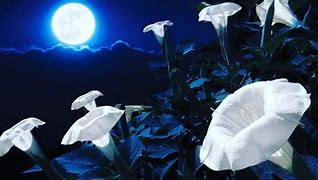
Want to create a moon garden? 

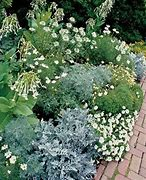
It’s a great way to enjoy your outdoor space in the evening, especially when the moon is out. Moon gardens are designed to be enjoyed primarily at night, and feature plants with light-colored or silvery foliage, as well as those with fragrant blooms that release their scent at night. Here’s a step-by-step guide on how to create your own moon garden:

1. Select a Suitable Location:

  • Choose a spot in your garden that receives partial to full moonlight. Avoid areas with excessive artificial light or shade from buildings or large trees.

2. Plan the Design:

  • Sketch a layout for your moon garden. Consider factors like plant height, spread, and color when arranging them in the garden bed.

3. Choose Moonlight-Reflecting Plants:

  • Opt for plants with light-colored or silver foliage. Some popular choices include:
    • Artemisia (Silver Mound)
    • Lambs’ Ears (Stachys byzantine)
    • Dusty Miller (Senecio cineraria)
    • Hosta varieties with light-colored leaves
    • Liriope muscari
    • Silver Thyme ( ‘Silver Queen’)
    • Silver Sage (Salvia argentea)
    • Snow-in-Summer (Cerastium tomentosum)

4. Incorporate Fragrant Plants:

  • Include plants with fragrant blooms that release their scent in the evening or at night. Some good options are:
    • Night-blooming Jasmine (Cestrum nocturnum)
    • Evening Primrose (Oenothera biennis)
    • Moonflower (Ipomoea alba)
    • Nicotiana sylvestris
    • Angel’s Trumpet (Brugmansia spp.)

5. Add Texture and Contrast:

  • Mix in plants with different textures and leaf shapes to create visual interest. This can include plants like ferns, ornamental grasses, and variegated varieties.

6. Consider Water Features:

  • A small pond or water feature can enhance the sensory experience of a moon garden. The sound of trickling water and the reflection of moonlight on the water’s surface can be enchanting.

7. Include Garden Ornaments:

  • Decorative elements like statues, birdbaths, or decorative stones can add a touch of magic to your moon garden.

8. Install Ambient Lighting:

  • Add gentle, low-level lighting to enhance the moonlit effect. Consider using solar-powered lights, string lights, or LED pathway lights.

9. Care for Your Moon Garden:

  • Regularly water and maintain your plants according to their specific needs. Prune and deadhead as necessary to keep the garden looking its best.

10. Enjoy Your Moon Garden:

  • Spend time in your moon garden in the evening, especially when the moon is full. Take in the beauty and serenity of your carefully curated space.

Remember that moon gardens are meant to be a sensory experience, so take the time to sit, relax, and enjoy the sights, scents, and sounds of your garden under the moonlight.

Peace & Harmony, Cheryl