Welcome to our monthly newsletter THE GRACE NOTES, where we bring you tips and inspiration to help you create a more organized, harmonious living space. This month, we’re diving into the transformative power of the home organization process and how it can enhance your daily life.
As we embrace a new month, let’s focus on the power of a well-organized home.
Here are some impactful tips to help you transform your space:
Step-by-Step Tips for a Clutter-Free Space
Start Small, Think Big: Begin with one room or even a single drawer. Decluttering in manageable chunks prevents overwhelm and fuels motivation.
Declutter with Purpose: Assess each item’s value. If it doesn’t serve a purpose or spark joy, it’s time to let it go. Donate or recycle to reduce waste.
Create Functional Zones: Designate specific areas for different activities—cooking, working, and relaxing. This makes everything easier to find and use.
Maximize Vertical Space: Use shelves, hooks, and cabinets to utilize wall space. This keeps surfaces clear and the room feeling more open.
Regular Maintenance: Set aside 15 minutes a day for a quick tidy-up. Consistent maintenance prevents clutter from accumulating.
Personalize Your Space: Make your home uniquely yours. Incorporate items that reflect your style and personality, while maintaining a clutter-free environment.
A well-organized home not only looks great but also boosts your mental clarity and productivity. Start your journey today and feel the transformative impact of an organized living space.
If the thought of organizing your entire home feels overwhelming, remember you don’t have to do it alone. As a professional organizer, I am here to help you every step of the way. Together, we can create a customized plan that suits your lifestyle and transforms your home into a space where you can thrive.
Why Organize?
A well-organized home is more than just aesthetically pleasing—it’s a catalyst for a healthier, more productive lifestyle. Clutter and chaos can lead to stress, reduce your efficiency, and even affect your mental health. On the flip side, an organized home can create a sense of calm, improve your focus, and give you more time to enjoy the things you love.
The Benefits You’ll Experience
Reduced Stress: A tidy environment can help lower anxiety levels, making your home a true sanctuary.
Increased Productivity: With everything in its place, you’ll spend less time searching for things and more time being productive or relaxing.
Enhanced Creativity: An organized space can inspire new ideas and creative thinking.
Improved Health: Less clutter means fewer places for dust and allergens to accumulate, contributing to better indoor air quality.
Get Started Today
If the thought of organizing your entire home feels overwhelming, remember you don’t have to do it alone. As a professional organizer, I am here to help you every step of the way. Together, we can create a customized plan that suits your lifestyle and transforms your home into a space where you can thrive.
Ready to take the first step towards a more organized life? Contact me today to schedule a consultation and discover how we can bring order and tranquility to your home. Let’s make your dream space a reality!
Objective: To transform a cluttered family bathroom into a functional, clean, and efficient space for all members of the family to use comfortably.
Step 1: Declutter
Remove everything: Clear off countertops, shelves, and cabinets. Lay everything out on a surface.
Sort into categories: Group items by type—towels, toiletries, cleaning supplies, first aid, etc.
Toss expired or unused items: Discard expired products, empty bottles, and anything no longer in use.
Step 2: Establish Zones
Create dedicated zones for:
Daily use items: Keep frequently used products (toothbrushes, soap, hand towels) within easy reach.
Hair and skincare products: Use a drawer or container for makeup, skincare, and hair tools.
Bathing essentials: Organize shampoos, conditioners, and body washes near the shower or bath.
Cleaning supplies: Store under the sink or in a closet, but keep them out of reach of children.
Family members’ items: If several family members use the bathroom, create personal bins or shelves for each person.
Step 3: Maximize Storage
Use drawer organizers: Keep small items like cotton swabs, toothpaste, and razors tidy.
Install shelves or baskets: Make use of vertical space with wall-mounted shelves or hanging baskets for extra storage.
Use clear containers: For deep cabinets or under-the-sink areas, use clear bins or baskets for easier access to items.
Towel hooks or racks: Mount hooks for each family member’s towel, or add a towel bar to keep them off the floor.
Step 4: Label & Maintain
Label containers and bins: Labeling helps everyone know where things belong and keeps the system working.
Implement a routine check: Once a month, check for items that need replenishing or discarding, ensuring the space stays clutter-free.
Additional Tips:
Add a laundry hamper: Make it easy for everyone to toss dirty towels and clothes directly into the hamper.
Childproofing: If you have young children, ensure that any sharp or hazardous items are stored securely and out of reach.
Products to Consider:
Stackable bins for under-sink storage
Over-the-door hooks for towels
Clear plastic containers for small items
Drawer dividers for toiletries
A lazy Susan for easy access to products in deep cabinets
Final Thoughts:
A well-organized family bathroom can streamline the morning and evening routines, helping every family member start their day more efficiently. Plus, an organized bathroom is easier to clean and maintain!
USE A TIMER TO AVOID DISTRACTIONS – NOT THE ONE ON YOUR PHONE (optional)
1. Set a Goal for Your Closet (5 minutes)
Purpose: Determine how you want your closet to function as a place for coats, shoes, bags, or cleaning supplies.
Activity: Write down your main goal for the space and the key items that belong there.
2. Clear Out the Closet (10 minutes)
Purpose: Create a clean slate by emptying everything from the closet.
Activity: Remove all items, then clean the space. Dust, sweep, and wipe down the shelves and floor.
3. Sort and Categorize (10-15 minutes)
Purpose: Group similar items together to understand what you have and what’s worth keeping.
Activity: Use categories like Coats/Jackets, Shoes/Boots, Bags, Cleaning Supplies, etc.
Tip: Immediately create piles for Keep, Donate, and Trash to declutter.
4. Choose Organizational Tools (5-10 minutes)
Purpose: Maximize the closet’s functionality using storage solutions.
Suggested Tools:
Hooks or wall-mounted racks for bags, hats, or scarves.
Shoe racks or bins for footwear.
Shelving or baskets for seasonal items like gloves and umbrellas.
Over-the-door organizers for smaller accessories.
5. Return Items to the Closet (5-10 minutes)
Purpose: Arrange everything back into the closet in an organized way. EVERYTHING NEEDS A HOME!
Tip: Place most-used items at eye level and seasonal or rarely used items higher up.
Activity: Strategically put each item back, ensuring that the closet serves its purpose effectively.
6. Final Touches and Maintenance Plan (5 minutes)
Purpose: Make sure the space is easy to maintain in the long term.
>>POST A LIST ON THE INSIDE DOOR OF WHAT BELONGS IN THE SPACE- For younger kids, use pictures<<
Tip: Create a simple maintenance plan, like a quick 5-minute monthly declutter.
Activity: Label shelves or bins if necessary to keep the system intact.
Key Takeaway:
The entry hall closet is often a catch-all space, but it can transform into a functional, stress-free area with proper organization. Consistent decluttering and intentional storage will keep it organized.
Labor Day: A Celebration of Grit, Gratitude, and the Human Spirit
As summer gently fades into the golden embrace of autumn, Labor Day arrives as a cherished pause—a moment to reflect on the profound significance of work in our lives. For many, it’s a long weekend, a final hurrah before the crisp air of fall settles in. But beyond the barbecues, the parades, and the sales, Labor Day stands as a poignant reminder of the sweat, sacrifice, and spirit that have shaped the world we live in.
Labor Day is more than just a day off; it’s a tribute to the working men and women whose hands have built nations, whose dedication has powered industries, and whose resilience has weathered the storms of economic uncertainty. It’s a day to honor the spirit of those who have toiled in fields, factories, offices, and homes, often with little recognition, to provide for their families and contribute to the greater good of society.
The origins of Labor Day lie in the labor movement of the late 19th century, a time when workers were fighting for their rights, their dignity, and their lives. The laborers of that era endured grueling hours, dangerous conditions, and meager wages. Yet, they persisted. They organized, marched, and protested, demanding fair treatment and respect. Their courage and determination laid the groundwork for the labor laws and protections we often take for granted today.
But Labor Day is not just a historical marker; it is a living celebration of the human spirit. It is a reminder of the power of solidarity, of the importance of standing together in pursuit of a common goal. It calls us to remember that every job, no matter how big or small, contributes to the tapestry of our society. From the nurse who cares for patients through the night to the teacher who inspires young minds, from the housekeeper who keeps our spaces clean to the farmer who grows our food—each one plays a vital role in our collective well-being.
This day also serves as a moment of gratitude. Gratitude for those who came before us, paving the way for safer, more equitable workplaces. Gratitude for those who continue to work hard, often in challenging circumstances, to provide for their families and communities. And gratitude for the opportunities we all have to make a difference through our labor, whatever form that may take.
Labor Day is a celebration of resilience. It’s a day to acknowledge the challenges we face in our work lives, the sacrifices we make, and the strength we find within ourselves to keep going. It’s a reminder that even in the face of adversity, we have the power to create change, lift each other, and build a better future.
As we gather with family and friends this Labor Day, let us take a moment to reflect on the true meaning of this holiday. Let us honor the contributions of workers past and present, and let us recommit to the values of hard work, fairness, and community. And above all, let us celebrate the indomitable human spirit that drives us to strive, to overcome, and to achieve. For it is in our labor, in our collective efforts, that we find the strength to build a brighter tomorrow.
Here are ten family-friendly events and activities perfect for Labor Day weekend:
Outdoor Movie Night: Set up a projector in your backyard or head to a local park that’s hosting a community movie night. Bring blankets, and popcorn, and enjoy a film under the stars.
Family BBQ or Picnic: Gather the family for a BBQ or picnic at a nearby park or in your backyard. Include games like frisbee, cornhole, or a water balloon toss.
Visit a Local Fair or Festival: Many communities host fairs or festivals over Labor Day weekend, featuring rides, games, live music, and food stalls. Check for local events in your area.
Camping Trip: Whether it’s a full-blown camping trip in the wilderness or setting up a tent in your backyard, camping is a great way to bond with the family. Don’t forget the s’mores!
Beach Day: Spend the day at the beach building sandcastles, swimming, and playing beach volleyball. Pack a picnic lunch to enjoy by the water.
Hiking and Nature Walks: Explore local trails and parks by going on a family hike or nature walk. Bring along a guidebook or app to help identify local plants and wildlife.
Labor Day Parade: Attend a local Labor Day parade. These events often include floats, marching bands, and various community groups celebrating the holiday.
Outdoor Arts and Crafts Fair: Many towns host arts and crafts fairs over the long weekend. It’s a fun way to explore local artists’ work, and kids often enjoy making their crafts at these events.
Family Bike Ride: Find a scenic bike trail and take a family ride together. This is a great way to get some exercise and enjoy the outdoors.
Visit a Museum or Zoo: Spend the day exploring a local museum, zoo, or aquarium. Many offer special activities or discounts for families over the holiday weekend.
Embrace the Power of Small Wins: 10 Mini Clutter Clinics in Just 10 Minutes Each!
In the hustle and bustle of life, finding the time and energy to tackle clutter can feel overwhelming. But what if I told you that you could make a significant impact on your space in just 10 minutes? Introducing my 10 Mini Clutter Clinics—a series of quick, focused sessions designed to bring order to your life without the stress. Each clinic is a bite-sized, manageable task that will guide you to declutter and organize different areas of your home or workspace.
Why 10 Minutes? Ten minutes is a sweet spot—it’s short enough to fit into your busiest day, yet long enough to make a noticeable difference. By breaking down the process into these mini-clinics, you’ll experience the joy of small victories that build momentum. Every completed clinic is a step closer to a more organized, peaceful environment.
What Can You Expect?
Immediate Impact: You’ll see the difference right away. Whether it’s clearing off a cluttered countertop or organizing a messy drawer, these clinics are designed to give you quick wins that boost your confidence and motivation.
Stress-Free Progress: No need to carve out hours of your day. Each clinic is purposefully designed to be completed in just 10 minutes, making it easy to integrate into your daily routine.
Empowerment: As you move through each clinic, you’ll feel empowered by your ability to create positive change in your environment. The sense of accomplishment will encourage you to continue your journey toward a clutter-free life.
The Journey Ahead Is Your Path to a more organized life starts here, one clinic at a time. Whether you’re clearing out the junk drawer that’s been bothering you for months or finally organizing that pile of paperwork, each mini-clinic will bring you closer to the peaceful, clutter-free space you deserve.
So, let’s get started! Commit just 10 minutes to your first clinic, and watch how these small, intentional actions can lead to big transformations. Remember, every step forward is a step toward a more serene, organized life. You’ve got this!
Purse/Briefcase/Backpack
Dump the contents from your daily bag. Only add the items you use back in. Let go of the rest. If you choose a day each week this 10-minute task will be a way to change a habit and behavior.
Bathroom
Let go of old cosmetics (see this for expiry guidelines), expired prescriptions, and OTC meds (here’s how to dispose of them). Take an assessment through each drawer and cabinet. Donate to a local homeless shelter if there are unopened items (toothpaste, shampoo, soap) or similar items that you know you will never use.
Hall Closet or Storage Area
I’ve never seen the inside of your hall closet, but I can guarantee there are things in there you don’t need, don’t want, and don’t even remember you have or don’t know how they got there.
Pantry
If there are other things you never use, let them go and make space. Donate unexpired, unopened items to your local food bank. Create a master list of what goes where on what shelf, create something to match the theme of your kitchen, drop it in a Dollar Store frame, and hang it so everyone knows how to keep the pantry tidy.
Nightstand
Make the space near where you sleep peaceful and straightforward. Having a battery-operated clock next to the bed is nice in case of power outages. Have water, and a notebook with a pen/pencil to make those last-minute thoughts before dreamland.
Outdoor space
Tackle balconies, porches, front yards, and backyards. Even outside clutter is clutter. If your home is on the market or will be short, curb appeal makes that first impression.
Car
From the glove box to the trunk, do a deep dig of your car. You’ll probably eliminate that annoying rattling noise or solve the mystery smell in the process too.
Inbox
If your inbox has become a 2-year to-do list, start deleting it for 10 minutes at a time. Consider email bankruptcy if it’s a lost cause (select.all.delete.). If you don’t remember what emails you were saving and why . . . let them go!
Thoughts
What’s swirling around up there? Write down 10 things on your mind, weighing you down, and preventing you from thinking clearly. Moving your worries from the brain to the paper will help you figure out the next step.
Office
Are there things on your desk, in drawers, or hiding in a filing cabinet that you can easily let go of? Let go of the things in your office that don’t contribute to your purposeful, effective work style.
Now that you’ve let procrastination know that motivation and transformation have taken over, consider other decluttering challenges and resources to continue the momentum of moving forward to a simpler lifestyle.
As I approach the final stage of my current home office organization project—returning items to their newly organized homes—I find myself asking clients at this point of the project a crucial question: Are they still satisfied with the color scheme of their space? In this recent case, my client expressed dissatisfaction with the existing color, prompting us to explore options within my Sherwin-Williams COLOR tote box. The client has appreciated my brief guide to the meanings of colors, which inspired me to share it with you today.
The Meaning of Colors
How do colors affect moods? While perceptions of color are somewhat subjective, some effects have universal meaning. Colors in the red area of the spectrum can be yellow-based such as scarlet red and red-orange are known as warm colors.
These warm colors evoke emotions ranging from feelings of comfort and warmth to feelings of hostility and anger. Reds can also have an undertone of blue and are known as cool colors such as burgundy, ruby, raspberry, and deep cherry. These colors are often described as calm but can also call to mind seriousness and dignity.
The subject is well documented, so we’ll take a look at some personal and professional connotations associated with six of the rainbow colors to give you a better understanding of the psychology of colors.
1. Red
Red attracts the most attention and is associated with strong emotions, such as love, passion, and anger.
It’s the universal color to signify strength, power, courage, and danger. Red is vibrant, stimulating, and exciting with a strong link to sexuality and increased appetites.
Red is energizing and exciting, motivating us to act. It can also give confidence to those who are shy or lacking in willpower.
It’s warm and positive, generally associated with our most physical needs and our will to survive. It exudes a strong masculine energy. It enhances metabolism, increases respiration rate, and raises blood pressure.
Wear red to energize the group or the meeting but in smaller patches of the outfit, such as a blouse or scarf. It also does wonders to uplift your mood in a dark green, grey, black, and navy basic ensemble. Red ties are also favored by politicians as part of the red and blue tie partnership they wear with everything.
A little can go a long way, however, and in large areas red can cause visual strain. Wearing it too much, too often can brand you as a person in charge, but also as a bossy person!
2. Orange
This is the hue of encouragement, optimism, and self-confidence, marking the extrovert. Orange radiates warmth and happiness, combining the physical energy and stimulation of red with the cheerfulness of yellow. Orange can inspire courage, enthusiasm, rejuvenation, and vitality. It can also have a stimulating effect, particularly on the appetite.
It can also be a sign of pessimism and superficiality.
In business applications, orange gives the impression of affordability, depending on the shade chosen and its combination with other colors. More gentle than red, orange represents more feminine energy and the energy of creation.
For networking or a business social gathering, wear it boldly in a blazer. Pair it with a coordinating multi-colored top and solid slacks, or more cautiously in small patches in a printed top or scarf. It also combines naturally and beautifully with the Autumn shades of the Northern US taking on an artistic or grounded feel with brown and spicy shades. The downside of wearing orange is that orange dye lots vary in quality.
Be sure to check your orange purchase in daylight as the harsher light can downgrade the tone. Orange ties for men are still on the power list so wear them in an expensive silk foulard so that the colors gleam and radiate success.
3. Yellow
Yellow is the color of the mind and the intellect, resonating with the left, logical side of the brain. It is creative, the tone of new ideas and new ways of doing things. Post-it notes and legal pads were invented in yellow for a very good reason!
Being the lightest hue of the spectrum, yellow is uplifting and illuminating, offering hope, happiness, and fun. It’s a warm and happy color that creates a sense of cheerfulness and playfulness, brightening people’s spirits.
However, too much yellow can cause anxiety, nervousness, apprehension, agitation, and confrontation, particularly in people who are already stressed. It can also suggest impatience, criticism, and cowardice, and motivate people to become overly critical, judgmental, and deceitful.
Avoid dressing in yellow when trying to influence men. They tend to see it as cheap and unsophisticated. However, it’s brilliant to help stand out from the crowd and can easily be paired with a moderating shade to add more authority such as mid-blue or forest green. Yellow ties have fallen from the power tie rack recently but can still be worn successfully in a yellow and blue foulard print or polka dot.
4. Green
Green is of nature, of balance and growth. It is restful and secure, symbolizing harmony, healing, and stability.
It also represents security and self-reliance. Darker greens relate to money, wealth, and prestige, while lighter greens relate to rebirth, growth, and freshness.
However, too much green can lead to feelings of envy, greed, jealousy, and selfishness.
In business, green is beneficial for anything to do with health and healing and promoting natural, safe, organic, and environmentally friendly products. Dark green is a good choice for money and financial websites.
Wear it safely and to your advantage at work, in sales presentations, asking for funding or a loan. On the lighter side of the green, turquoise and aqua are two of the most popular colors, like the darker teal, all made from varying amounts of blue and green. They remind one of sunlight on a blue sea, health, peace, and abundance. Use the colors in solids or prints as tops, blouses, and shells under pantsuits with camel, beige, and taupe as well as purple and charcoal. Men can wear teal ties to their advantage when they want to look approachable and authoritative.
5. Blue
Blue is the color of trust, serenity, and peace. It suggests loyalty and integrity as well as conservatism and predictability.
This has the opposite effect on the brain than red. It is calming, reducing tension and fear, slowing the pulse rate, and reducing appetite. While inspiring wisdom and higher ideals, it is sincere, reserved, and quiet. Being cool creates a sensation of space.
Because blue is the most universally favored color of all, it is the safest to use in business and airline uniforms. It relates to trust, honesty, and dependability, therefore helping to build customer loyalty. Blue works well for the corporate world and is often used in important meetings.
Wear it when interviewing, and meeting business professionals such as accountants, insurance companies, bankers, and other financial companies where trust and reliability are important.
The downfall of blue and especially navy is that it can seem mature, conservative, boring, or denote a rigid outlook. However, many blues are more exciting than the navy. Think of a royal or a teal blue that is credible yet more interesting.
Royal blue ties are the politician’s uniform and are very predictable. Great for a conservative audience perhaps. Vary it a little with a blue or navy suit and white or pale blue shirts. What about a tie in varying shades of blue with a splash of red?
6. Purple
Purple is the color of imagination and spirituality, inspiring high ideals. It can be creative and individual or immature and impractical. It is also an introspective tone, allowing us to connect with our deeper thoughts.
People drawn to purple are usually sensitive, understanding, and supportive, thinking of others before themselves. They will often have a peaceful and tranquil quality, with quiet dignity about them.
Purple implies wealth, even royalty, as well as quality, fantasy, and creativity. This tone heightens people’s sense of beauty and their reaction to more creative ideas.
It is often used to denote a high-quality or superior product. If you are in a service business, use some purple in your marketing to promote your premium service.
On your next shopping trip look for purple which is a much more creative choice than buying another black jacket. It’s a good substitute for red and goes well with most pastels to give a high-contrast look of authority, without resorting to the black and white cliché.
Wear it with the confidence that you are going to look expensive and creative. Purple ties and pastel mauve or pinstripe shirts for men are often favored by the more adventurous, creative dressers. Wear them with confidence if you are representing a creative industry, service, or product.
Are you still happy with the colors in your space?
Here are some ways Americans can reduce their plastic use:
Hey guys! Sorry for the long post today, but I really think our planet and our bodies need all the attention we can give them. As a teacher, that’s how I approached Earth Day with my students – I wanted to show them that taking care of our planet is like taking care of ourselves. You know, we’ve got all this evidence now that the plastic we use is ending up in our bodies and our food. And guess what? That stuff never goes away… unless we do something about it. I’m sure you’re in agreement, we want to leave a better planet for our kids, right? So, let’s all make an effort to reduce our plastic usage and take care of our planet. Deal?
1. Choosing reusable shopping bags over plastic ones is a simple yet impactful step towards reducing plastic pollution and promoting sustainable living. Plastic bags, designed for single use, often end up in landfills, oceans, and waterways, harming wildlife, polluting ecosystems, and contributing to climate change.
Reusable shopping bags offer numerous benefits. They are typically made from durable materials like cotton, canvas, or nylon, which can withstand repeated use and last for years. By opting for reusable bags, you can significantly reduce the number of plastic bags you consume, thereby reducing plastic waste and its associated environmental impacts.
One of the key advantages of reusable shopping bags is their versatility. They can be used for various purposes beyond grocery shopping, such as carrying books, clothes, or other items. Some reusable bags are designed with compartments, making them ideal for organizing and separating items.
Moreover, reusable shopping bags are often more visually appealing than plastic bags. They come in a wide range of colors, patterns, and designs, allowing you to express your personal style while making a positive contribution to the environment.
Using reusable shopping bags not only benefits the environment but also saves you money in the long run. Plastic bags often require a fee at checkout, while reusable bags can be used repeatedly, eliminating the need to purchase new bags every time you go shopping.
To make the switch to reusable shopping bags seamless, it’s a good idea to keep a few bags in your car, purse, or backpack so they are always at hand when you need them. You can also consider purchasing foldable reusable bags that are compact and easy to carry around.
By choosing reusable shopping bags over plastic ones, you can contribute to a more sustainable future, reduce plastic pollution, and make a positive impact on the environment. Every small action makes a difference, and your commitment to using reusable bags can inspire others to do the same.
2. Carrying a reusable water bottle instead of bottled water is a simple yet impactful way to reduce plastic waste and promote environmental sustainability. By making this small change, you can contribute to reducing the 60 million metric tons of plastic produced each year, a significant portion of which ends up in landfills, waterways, and oceans.
Here are some of the benefits of carrying a reusable water bottle:
Environmental Impact:
Reduces plastic waste by eliminating the need for single-use plastic water bottles.
Helps conserve natural resources as plastic production requires a lot of energy and water.
Health Benefits:
Avoids the potential health risks associated with BPA (bisphenol A), a chemical used in the lining of some plastic bottles.
Some reusable water bottles are made from non-toxic materials, ensuring the safety of your drinking water.
Cost Savings:
Buying a single reusable water bottle can save you money in the long run compared to buying multiple plastic bottles.
Many public places now have free water fountains, allowing you to refill your bottle for free.
Convenience:
Reusable water bottles are portable and can be easily carried with you wherever you go.
Some bottles come with features like filters or insulation, making them ideal for outdoor activities or long commutes.
Personalization:
Reusable water bottles can be customized with different designs, colors, and patterns, adding a personal touch to your hydration routine.
To make the switch to a reusable water bottle even easier, here are some tips:
Choose a durable and leak-proof bottle that can withstand daily use.
Keep your bottle clean by washing it regularly with warm water and a mild detergent.
Bring your bottle with you when you travel or go out to reduce the temptation of buying plastic water bottles.
Encourage friends, family, and colleagues to adopt this sustainable habit as well.
By carrying a reusable water bottle, you can make a positive impact on the environment, your health, and your wallet. It’s a small change with big benefits, and every little bit counts in the fight against plastic pollution.
3. Opt for Bulk Foods: Purchase dry goods like grains, nuts, and beans from bulk bins to avoid pre-packaged items wrapped in plastic. Bring your own reusable containers to store these items at home.
Shop Local: Support local farmers’ markets, grocery stores, and zero-waste shops that prioritize sustainable packaging. You’ll find fresh produce and other goods often sold without excessive packaging.
Look for Recyclable or Compostable Packaging: When plastic packaging is unavoidable, choose products with recyclable symbols or compostable materials. Recycle or compost these packages properly to minimize waste.
Choose Glass Over Plastic: Opt for glass jars, bottles, and containers over their plastic counterparts. Glass is a more sustainable and reusable material, and it’s often used for packaging food and beverages.
Reuse and Repurpose: Before discarding packaging, consider reusing or repurposing it in creative ways. Plastic containers can be used for storage or organizing, while cardboard boxes can be used for crafting or as seedling trays.
Join Refilling Stations: Participate in refill programs offered by various stores and cafes. Bring your own containers to refill household products like cleaning solutions, detergents, and personal care items, reducing the need for single-use plastic bottles.
Advocate for Change: Reach out to manufacturers and retailers to express your preference for products with minimal or no plastic packaging. Your voice can contribute to driving positive change in the industry.
Support Sustainable Brands: Choose products from brands committed to reducing plastic waste. Look for certifications like “Plastic Neutral” or “Zero Waste” to identify companies taking tangible steps towards sustainability.
4. Bring your own containers for takeout or leftovers instead of using disposable containers.
Taking your own containers for takeout or leftovers is an excellent way to reduce waste and help the environment. Many restaurants are now happy to accommodate customers who bring their own containers, and some even offer a discount for doing so.
Here are some of the benefits of bringing your own containers:
Reduced waste: Disposable containers are a major source of waste. In the United States, we generate over 100 billion pieces of plastic cutlery, straws, and stirrers each year, and only a small fraction of these items are recycled. Bringing your own containers helps to reduce the amount of waste that goes to landfills and incinerators.
Environmental protection: Disposable containers are often made from non-renewable resources, such as plastic and Styrofoam. These materials can take hundreds of years to decompose, and they can pollute our oceans and waterways. Bringing your own containers helps to reduce the demand for disposable containers and protect the environment.
Cost savings: Bringing your own containers can save you money in the long run. Many restaurants offer a discount for customers who bring their own containers, and you can also save money by avoiding the cost of buying disposable containers.
Here are some tips for bringing your own containers:
Choose the right containers: Choose containers that are made from durable materials, such as glass or stainless steel. Avoid using plastic containers, as they can leach harmful chemicals into your food.
Label your containers: Label your containers with your name and the date so that you can easily identify them.
Bring enough containers: Bring enough containers to hold all of your takeout or leftovers.
Be polite: Be polite to the restaurant staff when you bring your own containers. Explain that you are trying to reduce waste and ask if they mind if you use your own containers.
By bringing your own containers for takeout or leftovers, you can help to reduce waste, protect the environment, and save money.
5. Opting for products made from alternative materials instead of plastic is a smart and sustainable choice. Here are a few reasons why, and some ideas for what to look for:
Environmental Benefits: Plastic production and disposal contribute significantly to pollution, greenhouse gas emissions, and ocean plastic waste. By choosing alternative materials, you can reduce your environmental impact.
Durability: Alternative materials like glass and metal are often more durable than plastic, leading to longer-lasting products. This reduces the need for frequent replacements, conserving resources and saving you money in the long run.
Health: Some plastics can contain harmful chemicals like BPA, which have been linked to health issues. Opting for alternative materials can minimize your exposure to these compounds.
Design and Aesthetics: Many products made from alternative materials feature unique and stylish designs, allowing you to add a touch of elegance to your home or lifestyle.
Versatility: Alternative materials can be used to create a wide range of products, from kitchenware and storage containers to electronics and personal care items. You’ll find a variety of options to suit your needs.
Supporting Sustainable Brands: By choosing products made from alternative materials, you can support businesses committed to sustainability. This encourages the development of eco-friendly production methods and innovations.
Here are some specific product ideas made from alternative materials:
Glass Storage Containers: Replace plastic food storage containers with glass jars or containers. They’re durable, easy to clean, and free from harmful chemicals.
Metal Straws: Switch to reusable metal straws instead of disposable plastic ones. They’re durable, portable, and better for the environment.
Bamboo Toothbrushes: Opt for toothbrushes with bamboo handles instead of plastic. They’re biodegradable, renewable, and have a softer ecological footprint.
Silicone Baking Mats: Use silicone baking mats instead of parchment paper. They’re reusable, non-stick, and can withstand high temperatures.
Reusable Produce Bags: Bring your own reusable produce bags to the grocery store, made from cotton or mesh materials, to reduce plastic waste.
Metal Razors: Consider switching to metal safety razors or straight razors, which produce less waste than disposable plastic razors.
By making small changes like these, you can significantly reduce your plastic consumption and contribute to a cleaner, healthier planet.
6. In our quest to reduce plastic waste and protect the environment, transitioning away from single-use plastics like straws, utensils, and cups is crucial. By adopting reusable alternatives, we can significantly minimize our contribution to the global plastic pollution crisis.
Reusable Straws:
Invest in durable stainless steel, bamboo, or glass straws.
Carry your straws with you to avoid using disposable ones when out and about.
Reusable Utensils:
Keep a set of reusable utensils in your bag or take-out kit.
Opt for cutlery made of materials like stainless steel, titanium, or bamboo.
Reusable Cups:
Bring your own reusable cup when purchasing coffee, tea, or other beverages.
Look for cups made of materials like stainless steel, glass, or BPA-free plastic.
Consider getting a collapsible cup for easy storage and portability.
Benefits of Reusable Alternatives:
Environmental Impact: Reduce the amount of plastic waste that ends up in landfills and oceans.
Cost Savings: Save money in the long run by not constantly purchasing disposable plastics.
Convenience: Having your own reusable items eliminates the need to rely on single-use plastics when away from home.
Spreading Awareness:
Encourage friends, family, and colleagues to adopt reusable alternatives.
Share your experiences and tips on social media to inspire others to make a positive change.
Supporting Sustainable Businesses:
Patronize businesses that offer discounts or incentives for customers who bring their own reusable items.
Support local businesses that strive to reduce their plastic footprint.
By making this simple switch to reusable alternatives for straws, utensils, and cups, we can take a significant step toward creating a more sustainable and plastic-free future.
7. Purchasing items in bulk is a great way to reduce packaging waste and make a positive impact on the environment. When you buy items in bulk, you are often purchasing a larger quantity of the item, which means less packaging is needed. This can help to reduce the amount of waste that goes to landfills and oceans, where it can harm wildlife and pollute the environment.
Many items can be purchased in bulk, including food, cleaning supplies, and personal care items. When shopping for bulk items, it is important to consider the following factors:
The size of your household. If you have a large household, you may need to purchase more items in bulk to meet your needs.
The amount of storage space you have. If you have limited storage space, you may need to purchase smaller quantities of items in bulk.
The cost of the items. It is important to compare the cost of purchasing items in bulk with the cost of purchasing them in smaller quantities.
In addition to reducing packaging waste, purchasing items in bulk can also save you money. When you buy items in bulk, you often get a lower price per unit than you would if you purchased them in smaller quantities. This can help you save money on your grocery bill and other expenses.
Here are some tips for purchasing items in bulk:
Look for bulk bins at your local grocery store. Many grocery stores have bulk bins where you can purchase items such as grains, nuts, and dried fruit.
Shop at warehouse stores. Warehouse stores often sell items in bulk at a lower price than grocery stores.
Buy in bulk online. Many online retailers sell items in bulk.
By following these tips, you can purchase items in bulk and reduce your packaging waste. This is a simple way to make a positive impact on the environment and save money at the same time.
8. Using cloth towels and napkins instead of disposable paper products is a sustainable and eco-friendly practice that offers several benefits.
Reduced Waste: Cloth towels and napkins can be reused multiple times, reducing the amount of waste generated compared to single-use paper products. This helps to conserve natural resources and landfill space and reduces the need for energy-intensive processes like paper production.
Environmental Impact: Disposable paper products contribute to deforestation, water pollution, and greenhouse gas emissions during their production and disposal processes. By using cloth towels and napkins, you can minimize your environmental footprint and help preserve ecosystems.
Cost-Effectiveness: While cloth towels and napkins may initially cost more than disposable paper products, they can save money in the long run. They are durable and can be used for years with proper care, eliminating the need for frequent purchases of disposable products.
Hygiene: Cloth towels and napkins can be laundered and sanitized after each use, ensuring better hygiene and minimizing the risk of cross-contamination, especially in public restrooms or kitchens.
Aesthetics: Cloth towels and napkins add a touch of elegance and sophistication to your home or business. They come in various designs and patterns, allowing you to choose ones that match your personal style or decor.
Versatility: Cloth towels and napkins can be used for multiple purposes. In addition to being used as hand towels or at mealtimes, they can also be repurposed as cleaning cloths, rags, or even as gift wrapping, reducing the need for additional disposable products.
Support Sustainability: By choosing cloth towels and napkins, you are supporting sustainable practices and encouraging businesses to offer eco-friendly alternatives. Your actions can inspire others to adopt similar habits, creating a ripple effect that positively impacts the environment.
9. Switching from plastic-packaged products to bar soap, shampoo, and conditioner is an eco-friendly choice that offers numerous benefits. Here’s how making this switch can positively impact the environment and your well-being:
Reduced Plastic Waste:
By opting for bar soaps, shampoos, and conditioners, you significantly reduce the use of plastic bottles, which can take hundreds of years to decompose.
Each bar replaces several plastic containers, leading to a substantial decrease in plastic waste and pollution.
Minimal Environmental Impact:
Bar soaps are often made with biodegradable and natural ingredients, minimizing their ecological footprint.
Their simple packaging, usually cardboard or paper, is easily recyclable and composts over time, contributing less to landfills.
Conservation of Resources:
Bar soaps and shampoos tend to last longer than their liquid counterparts.
Since they contain less water, they require fewer resources during transportation and manufacturing, reducing energy consumption and greenhouse gas emissions.
Chemical and Fragrance Reduction:
Many plastic-bottled products contain synthetic chemicals, preservatives, and fragrances that can harm aquatic ecosystems and contribute to air pollution.
Bar soaps and shampoos often have fewer harsh chemicals and natural scents, making them gentler on your skin, scalp, and the environment.
Compact and Travel-Friendly:
Bar soaps and shampoos are compact and lightweight, making them ideal for travel and outdoor activities.
They easily fit in your carry-on luggage and eliminate the risk of liquid spills or TSA restrictions.
Versatile and Multipurpose:
Bar soaps can be used for body, face, and hair cleaning, reducing the need for multiple products.
Many shampoo bars can double as body wash, minimizing the number of toiletries you need.
Cost-Effective:
Bar soaps and shampoos often have a longer shelf life compared to liquid products.
They can be more economical in the long run, as a single bar can last several weeks.
Support for Sustainable Brands:
By choosing bar soaps and shampoos, you support eco-conscious brands dedicated to reducing plastic waste and promoting sustainability.
Your purchases encourage companies to continue innovating and developing environmentally friendly alternatives.
Personal Satisfaction:
Using bar soaps and shampoos can provide a sense of accomplishment and personal satisfaction.
Knowing that you’re contributing to a cleaner planet can enhance your well-being and encourage others to adopt sustainable practices.
Raising Awareness:
Opting for bar soaps and shampoos can spark conversations about eco-friendly choices and raise awareness about the impact of plastic pollution on our planet.
It can inspire friends and family to consider making similar switches, creating a positive ripple effect.
10. Properly recycling plastic items is a crucial measure to minimize landfill waste and promote a more sustainable environment. Here are some key points to elaborate and expand upon the input text:
Importance of Recycling Plastic:
Plastic items, due to their non-biodegradable nature, can persist in landfills for hundreds of years, contributing to environmental pollution and ecosystem degradation.
Recycling plastic helps reduce the amount of plastic waste that ends up in landfills, conserving valuable landfill space and preventing its harmful effects on the environment.
Types of Plastic Recyclables:
Not all plastic items are created equal when it comes to recycling. It’s essential to understand the different types of plastics and their recycling symbols to ensure proper disposal.
Common recyclable plastics include PET (polyethylene terephthalate), HDPE (high-density polyethylene), LDPE (low-density polyethylene), PP (polypropylene), and PS (polystyrene).
Plastic Recycling Process:
Once plastic items are collected for recycling, they undergo a series of steps to transform them into reusable materials.
The process typically involves sorting, cleaning, shredding, melting, and remolding the plastic into new products.
Benefits of Recycling Plastic:
Recycling plastic provides numerous environmental and economic benefits, including:
Reducing the need for raw materials, conserving natural resources, and minimizing the environmental impact associated with extracting and processing virgin plastics.
Reducing greenhouse gas emissions by diverting waste from landfills, which contribute to methane production.
Creating job opportunities in the recycling industry and stimulating economic growth.
Challenges and Opportunities in Plastic Recycling:
While plastic recycling is a valuable solution, it also faces challenges, such as:
Contamination of recyclable plastic items with food or other substances makes them unsuitable for recycling.
Limited access to recycling facilities and infrastructure in some regions.
The need for innovation in recycling technologies to handle complex plastic materials.
Despite these challenges, opportunities exist to improve plastic recycling rates. These include:
Enhancing public awareness and education about proper plastic recycling practices.
Investing in advanced recycling technologies to process a wider range of plastic waste.
Collaborating with industry stakeholders to design products with recyclability in mind.
Individual and Community Action:
Individuals and communities play a vital role in promoting plastic recycling. Here are some actions you can take:
Practice proper waste segregation at home and encourage others to do the same.
Rinse and clean plastic containers before recycling to minimize contamination.
Support businesses and initiatives that prioritize sustainable packaging and recycling practices.
Advocate for policies that promote plastic waste reduction and recycling at the local and national levels.
By embracing proper plastic recycling and working together, we can create a more sustainable future where plastic waste is minimized, landfills are protected, and the environment is preserved for generations to come.
In the hustle and bustle of everyday life, it’s easy to get caught up in the grind and lose sight of our goals and aspirations. That’s why I’m bringing back Motivational Mondays—not just for my readers but mostly for myself.
Mondays can be tough. They often come with a sense of dread, as we contemplate the long week ahead. But I believe that a positive mindset can make all the difference. By starting the week with a dose of motivation, I hope to set the tone for a productive and fulfilling week.
Each Motivational Monday, I’ll share a quote, a story, or a personal reflection that has inspired me. I’ll also include a call to action, challenging my readers to take small steps towards their goals. It’s not about perfection or instant gratification. It’s about building momentum and creating positive habits that will lead to lasting change.
I know that motivation is not always easy to come by. But I believe that by surrounding ourselves with positivity and taking action, we can create a virtuous cycle that will help us achieve our dreams.
So, let’s make every Monday a Motivational Monday. Let’s start the week with a positive mindset and a commitment to growth. Together, we can make this week our best yet.
When the Coach – Coaches herself . . . . Watch out!
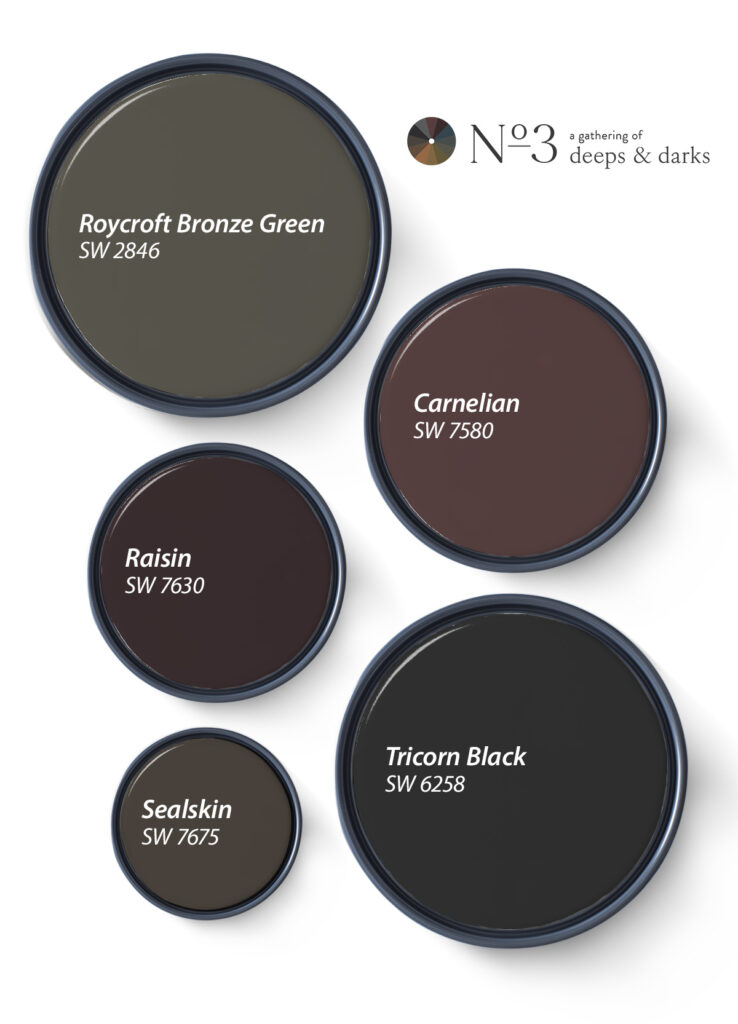
Dark paint colors are not only incredibly stylish but also versatile, exuding a moody atmosphere that can instantly evoke a cozy and calming effect. We’re highlighting five of our favorite hues from A Gathering of Deeps & Darks palette in our 2024 Colormix® Forecast that will undoubtedly boost your confidence in exploring the darker side of the color wheel.
Roycroft Bronze Green SW 2846: This historic, deep forest green hue brings a vintage feel to spaces and is stunning either as an accent or drenching an entire space. Roycroft Bronze Green’s grounded, earthy tone instills a sense of tranquility, effortlessly creating harmonious, nature-inspired spaces.
Carnelian SW 7580:Carnelian’s deeply saturated burgundy hue inspires an intriguing aura of mystery. It’s the perfect shade for going dark without diving all the way into the depths of an inky black.
Raisin SW 7630: Looking for a little drama? Raisin’s rich, dark brown hue adds a captivating allure to any space. This chameleon shade’s purple undertone lends it an easy versatility that can lean either warm or cool depending on surrounding tones and lighting.
Sealskin SW 7675:Sealskin has a refined, deep tone that creates a contented, cocoon-like atmosphere. This bold shade easily wraps spaces in luxurious, inviting warmth and adds nuanced sophistication. Moody enough to inspire quiet reflection yet classic enough to feel elegant.
Tricorn Black SW 6258: A long-standing fan favorite, Tricorn Black is one of our deepest, truest blacks. With virtually no undertones, this timeless neutral shade is supremely versatile, effortlessly pairing with any material, tone, or texture.
Explore the full collection of shades in the A Gathering of Deeps & Darks palette in Anthology: Volume One, our Colormix ® Forecast for 2024.Want to see these hues in your space? Get FREE color chips for the whole palette, and if you need help choosing, book a FREE Virtual Color Consultation for personalized, one-on-one guidance with one of our experts.
**A personal note: I am usually pleased with the colors chosen by Sherwin Williams, this color was not a favorite of mine, but when you POP it with some color . . . it did change my mindset about the color. Pair up SW6605 Charisma with the SW7580 Carnelian . . . Gorgeous!
One of the best ways to get creative is to try new things
There are many different kinds of journals. Some people write down their deepest thoughts and feelings every day. Others write a single poem or a few lines of an essay once a week, every few months, or whenever they feel like it. The best part about journaling is that there are no rules or restrictions. If you want to get your creative juices flowing, start a journal to record your inspirational thoughts and ideas, or to keep track of an artistic project.
Find a blank book that you like, with or without lines. It should be a color, size, and texture that appeals to you. You can also make your journal, designing a cover with drawings and photographs. The most important thing is to start journaling. Initially, you might want to schedule time for journaling each day. But even if you don’t, you know that your journal is there waiting for you when inspiration strikes.
One of the better ways to encourage creativity is to try new things. Don’t let your preconceived notions of what a “journal” should be get in your way. Anything too formal or linear is up for grabs when flying with your creativity flag:
write with your non-dominant hand
write in a different
Write in a different direction
Landscape orientation is a great start, diagonally, or even in a circle
When it comes down to it, you don’t have to write anything at all. You can draw, doodle, or paste a collage of images. The important thing is not to worry about your artistic skill, but to focus on expressing yourself. Anything fresh will help jumpstart your creativity: use different colored pens or pencils, fill your pages with colorful doodles, words from magazines that catch your attention, anything to keep you from thinking in the same old ways.
Your journal can be about any aspect of your creativity. You may or may not believe it at this moment, but there is no such thing as a “non-creative person”. A collection of fragments can be a place for you to store your dreams, a place to jot down brilliant ideas, or even the beginning of a larger creative project.
Don’t just put together a journal and forget about it. Every once in a while, take it off the shelf and read it as if you found someone else’s journal lying there (and that it was okay to look inside). You might be surprised by the inspiration you find.



 Lifestyle-by-designs