In the chaotic dance of our daily lives, finding solace amidst the storm is a pursuit we all yearn for. Imagine a world where clutter and chaos give way to a serene symphony of order and purpose. Today, we embark on a journey to explore the profound emotional impact of embracing organization in our lives.
Section 1: The Liberating Bliss of Decluttering
Picture this: the weight of unnecessary possessions lifted from your shoulders, leaving room for clarity and tranquility. As you bid farewell to the clutter, a sense of liberation washes over you, akin to the feeling of a cool breeze on a hot summer day. Decluttering is not just about physical space; it’s a profound emotional cleanse.
Section 2: The Dance of Productivity and Peace
In the organized realm, every item has its designated HOME, and every task has its designated time. As you synchronize your life to this rhythmic dance of order, you find a harmonious blend of productivity and peace. The satisfaction of completing tasks in an orderly fashion is an emotional reward that fuels your motivation.
Section 3: Crafting a Sanctuary of Serenity
Your living space is a canvas, and organization is the brush that paints a masterpiece of peace. When you curate a sanctuary “Nest” that reflects order and intentionality, you create a haven for your soul. The emotional impact is like stepping into a spa after a long, hectic day—pure bliss.
Section 4: The Empowering Rituals of Planning
Organizing your time is not just a practical act; it’s a powerful emotional investment. The ritual of planning brings a sense of control and purpose, turning the chaotic unknown into a roadmap of achievable goals. With each planned step, you become the architect of your destiny, and that empowerment is exhilarating. Even if something goes wrong along the way . . . which it will if you have a plan you can be flexible with your next step.
In Closing:
In the symphony of life, embracing organization is the key to unlocking a crescendo of positive emotions. The decluttered spaces, the rhythmic dance of productivity, the crafted sanctuaries “Nest”, and the empowering rituals—they all converge to create a beautiful melody of joy and serenity. So, let’s embark on this journey together, and let the harmony of organization resonate in our hearts and homes, bringing forth a cascade of positive emotions that will echo through every aspect of our lives.
“Seventy-five percent of fashion supply chain material ends up in landfills. This amounts to ‘the equivalent of one garbage truck of textiles per second.’”
“The movement works towards creating an industry that benefits the planet and all people. ”
The term was first coined by author, design activist, and professor Kate Fletcher. She defines slow fashion as being based on quality rather than how long it takes to produce. Other slow fashion pioneers say that the movement encourages slower production, combines sustainability with ethics, and ultimately encourages consumers to buy well-made and long-lasting clothes.
Slow, ethical, and sustainable fashion all aim to achieve the same goal: changing our relationship with clothes. Slow fashion, however, also takes into account a brand’s practices and a customer’s shopping habits. The movement is working to create an industry that benefits the planet and everyone in it. In a perfect world, slow fashion would be the norm.
QUALITY CLOTHING MADE TO LAST
Fast fashion companies pump out new collections every week, and less than one percent of clothing materials are recycled into new clothes. Slow fashion flips that model on its head with slower production schedules, smaller collections, and zero-waste designs.
Instead of chasing trends (and filling up our landfills), these brands focus on making classic and versatile pieces that can be layered mixed and matched. This encourages customers to build minimalist wardrobes and invest in pieces that they’ll keep for a lifetime.
JOINING THE SLOW FASHION MOVEMENT
Slow fashion’s barrier to entry is fairly low—anyone can join the movement. You don’t even need to buy new clothes! Here are a few ways to get involved:
Create a love story. Take a look through your closet and think about the history of your favorite pieces. Maybe you remember the time you spilled spaghetti on your favorite white t-shirt (and then saved it!). Or maybe you have a special piece of clothing that was passed down to you by a loved one. Whatever the story, put some life back into your closet by thinking about the memories that your clothes hold.
Build a capsule wardrobe. This wardrobe method will have you thinking about what clothing makes sense for your lifestyle. It only allows you to have a limited number of items, so you have to make sure that your clothes are both stylish and practical.
Make thoughtful purchases. Start by breaking the habit of impulse buying. Call a friend before you splurge on a new pair of shoes, or check your current wardrobe to make sure you’ll wear the item before you buy it. Consider checking out secondhand apps or thrift stores first when you’re ready to buy something new.
Here are some to get you started: Ethical and sustainable clothing brands, ethical shoes, affordable (ethical) clothing brands, and organic clothing brands.
Do some research: If you find a new slow fashion brand, take some time to make sure it’s legit before you start spending money on it. Check out their website for details about their design process. Is it slow, sustainable, and ethical for everyone involved? Do they disclose how and where their clothes are made? How many collections do they produce each year? Answering these questions will help you figure out if a company is practicing what it preaches. If you’re still not sure, you can always reach out to the brand via email or social media.
HOW TO PUSH BACK AGAINST FAST FASHION
Speaking out against fast fashion is a part of advocating for the slow fashion movement. If brands don’t hear from their customers, they won’t have a reason to change their supply chains. Don’t be discouraged if you can’t afford every fancy minimalist garment. You can still do your part to promote fair fashion by speaking up.
Here’s how:
Frequent the mall? Swing by a fast-fashion store and ask about the brand’s sustainable practices and ethical supply chain efforts. The employees probably won’t know much, but you’ll start an important conversation that might make it up the management chain. The more people ask questions, the more likely the company will listen.
Love social media? Take to Instagram, Twitter, and Facebook to ask fast fashion brands about production practices. Fashion Revolution has a great template for this.
A fan of email? You can write to brands, too! Try this template for getting started:
Dear [Insert Brand],
I’m interested in purchasing [insert garment] and would love to learn more about your brand and production methods. On your website, you state that you [insert brand claim, e.g., sustainable practices, fair trade certifications, ethical manufacturing, etc.], and I’m wondering what exactly this means. Could you tell me specifically how your garments are made and how your brand protects people and the planet?
I look forward to hearing more about [insert brand]!
Thank you for your time,
[Insert Your Name]
________________________________
Other questions you can ask:
1. How do you package and ship your garments? 2. Does your brand give back or support any social initiatives? 3. Where do you source your textile materials? 4. Could you provide a transparent breakdown of your supply chain? 5. Do you have a third party to conduct regular audits of your factories?
Be the Change
We believe that social change is a journey that we all take together, learning and inspiring each other along the way. When we work together, we are stronger.
Peace ♥ Harmony, 𝓒𝓱𝓮𝓻𝔂𝓵
If you are seeking more assistance than what I can provide here, my personalized coaching programs may be precisely what you need. Schedule a free consultation to discuss what is holding you back and how I can assist you in achieving organized spaces in your lifestyle. I look forward to working with you!
NEW PHONE # 860-941-8630
A TEXT gets to me faster: Name, Issue, the Best time to call
These 3 questions MUST be answered if you want to get over the barriers that hold you back from achieving your goals. There are no easy paths to the things you want the most – just like you never get a rainbow after a sunny day.
I might be going against the grain here, but I don’t talk about streamlining until my clients have lived in their newly organized space for a bit. I tell them to try sitting in a different spot than usual, like a different chair or part of the couch. They’ll get a new perspective on their space and might be surprised at how adaptable humans are in their environments.
Now, the fun part starts! Labeling, totes, storage containers… People think that the fun part of organizing is all the pretty stuff. Trust me, I’ve broken many hearts with clients who thought this way on our very first day. But after going through the process, they understand that patience and consistency are what get you to that calm living.
Streamlining a space that has already been organized involves maintaining order and optimizing the efficiency of the existing organizational system.
Here are some steps to help you streamline a space:
Assessment:
Begin by evaluating the current state of the space. Identify any areas that may have become cluttered or disorganized since the initial organization.
Declutter:
Remove any items that do not belong in the space or are no longer needed. Be ruthless in decluttering to maintain a clean and organized environment.
Reevaluate Storage Solutions:
Assess the effectiveness of the storage solutions in place. Consider whether there is a need for additional storage or if the existing storage can be optimized for better use of space.
Labeling:
If items are not already labeled, consider adding labels to containers, shelves, or drawers. Clear labeling makes it easier to locate items and encourages everyone to return items to their designated places.
Routine Maintenance:
Establish a regular maintenance routine. Dedicate a few minutes each day or week to tidying up the space, putting things back in their designated spots, and addressing any emerging organizational issues.
Optimize Layout:
Consider the flow and arrangement of items in the space. Optimize the layout to make it more intuitive and efficient. Frequently used items should be easily accessible, while those used less frequently can be stored in less accessible areas.
Digital Organization:
If the space involves digital files or equipment, organize digital assets and folders. Delete unnecessary files and create a logical folder structure. Ensure that electronic devices and cables are organized and tidy.
Create Zones:
Group similar items together to create functional zones. This makes it easier to find things and promotes a more organized look. For example, create a work zone, a storage zone, and a relaxation zone in a multipurpose room.
Implement Systems:
Establish systems for handling incoming items. Whether it’s mail, supplies, or other items, having a clear process for dealing with new items prevents them from piling up and disrupting the organization.
Evaluate and Adjust:
Regularly assess the effectiveness of the organizational system. If certain areas still tend to become disorganized, consider adjusting the system to better suit the needs of the space and its users.
Involve Others:
If the space is shared, involve others in the organization process. Establish guidelines for maintaining the order, and encourage everyone to contribute to the streamlined environment.
Remember that organization is an ongoing process, and regularly revisiting and maintaining your systems will help keep the space streamlined over the long term.
Music is incredible. It can reach right into our souls and touch us in ways that nothing else can. It doesn’t matter what language you speak or what country you’re from, music can always find a way to connect with you. It’s a magical thing that can make us feel happy, sad, loved, or nostalgic. It can wrap us in a comforting embrace during our darkest moments and lift us to euphoric heights in our moments of triumph. Music is truly a gift, and I’m so grateful for it.
In the grand scheme of life, music is the conductor, creating a harmonious blend of melody and rhythm that resonates with our very souls. It has the power to heal wounds that words cannot reach, soothing the restless mind and awakening the dormant spirit. A soulful ballad can be a balm for a wounded heart, while an upbeat tune can be the motivation for an infectious dance of joy.
Music is a friend that gets us in ways words can’t. It mirrors our emotions, reflecting the full range of human experience. Whether it’s the sad notes of a violin or the happy beats of a drum, music can take us to places of deep thought or wild celebration.
Music is more than just an art form. It’s a universal language that speaks to the soul. It weaves a timeless narrative that transcends the boundaries of culture, time, and space. Music is a sublime mixture for the soul, offering a sanctuary where emotions flow freely and the heart finds its truest expression.
In this turbulent world we’re living in currently, it’s important to find some time to sit and enjoy listening to music at the same time listening to your soul. Music can be a great way to relax and de-stress, and it can also be a way to connect with your inner self. When you listen to music, pay attention to how it makes you feel.
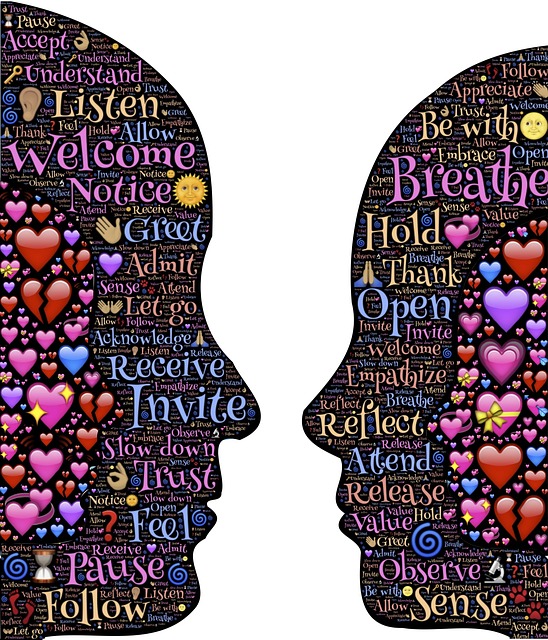
Do you feel happy, sad, angry, or peaceful?
What does the music say to you?
Allow yourself to be open to the messages that the music is trying to send you. Listening to music can be a great way to connect with your inner self and find peace and tranquility in this turbulent world.
“Music was my refuge. I could crawl into the space between the notes and curl my back to loneliness.” ~ Maya Angelou
Going with the flow doesn’t mean we’re clueless about our destination. It just means we’re open to
different paths to get there.
The expression “going with the flow” is like floating down a river. When you go with the flow, you let the current take you downstream instead of trying to swim against it. Some people think that people who go with the flow are lazy or passive, but it actually takes a lot of awareness, presence, and the ability to blend your own energy with the energy around you to truly go with the flow.
Going with the flow doesn’t mean we just give up and let things happen. It means we relax our grip on our plans and expectations, and pay attention to the energy around us. We can then tap into that energy and move with it, which is much faster than trying to fight against it.
Going with the flow doesn’t mean we don’t have a plan. It means we’re open to different ways of achieving our goals. We’re also open to changing our goals if we realize that what we originally wanted isn’t what we really want. The important thing is that we keep moving forward, even if we don’t know exactly where we’re going.
We know that things don’t always go according to plan, and that’s okay. Sometimes we need to let go of our expectations and roll with the punches. Going with the flow means being open to change and trusting that things will work out in the end. It’s about being present in the moment and accepting whatever comes our way.
A lot of us are scared to go with the flow because we don’t think it will lead us to where we want to be. This leads us to stick with plans that aren’t working, stay on paths that are blocked, and obsess over relationships that aren’t fulfilling.
But sometimes, the best way to get where you want to go is to just let go and see where the journey takes you. You might be surprised at where you end up.
If you find yourself stuck in a rut, do yourself a favor and let go of the need to control everything. Trust that the universe has a plan for you and go with the flow. Let go of the things that are holding you back and be open to new possibilities.
Everything and everybody that enters your home creates energy and leaves a footprint.
Our homes are full of energy, energy that we create and let flow. We often have a passive relationship with the energy in our homes, rather than an active one, because we don’t pay much attention to it. It’s only when we start to see our homes as unique entities that we begin to understand why it’s important to take charge of the energy in them.
Here are some tips for taking charge of the energy in your home:
Declutter and get rid of anything that doesn’t spark joy.
Add plants and fresh flowers to your home.
Light candles and incense.
Play music that makes you happy.
Spend time with loved ones in your home.
Open your windows and let in the fresh air.
Practice gratitude for your home.
Bad vibes can creep into our homes in a lot of ways. Previous owners, builders, visitors, and even the people who clean and maintain our homes can leave behind a lingering energy. Objects and symbols can also have an effect on the energy of a space. So, it’s important to be aware of all the things that can influence the energy of our homes. When we know what to look for, we can create harmonious homes that are more than just a place to live.
One of the easiest ways to keep your home a loving and supportive space is to be careful about who and what you let in. It’s not always possible to keep potentially harmful people or things out, but you can take precautions. For example, you can keep certain people out of private spaces like bedrooms and meditation rooms, and you can cleanse or smudge your property to purify it.
Here’s a cool idea: if you’re remodeling or building a new home, you can print Reiki symbols and other positive imagery on the surfaces that will be covered up by walls, flooring, or paint. Even though they’ll be hidden, they’ll still attract good energy and cleanse the existing energy in your home. You can also draw blessings in plain sight to remind you of how powerful your home’s energy can be in affecting your own.
A house can look nice, cozy, and stable on the outside, but still be filled with negative or even harmful energy. If you take good care of your home, you’ll naturally start to look beyond its surface qualities and pay attention to how it makes you feel. And if you actively protect your home from negative energy, you’ll be better equipped to deal with it if it ever does come your way.
The energy of your home will reflect the way you treat it. If you take care of it, it will take care of you. So be mindful of your actions and make your home a place you love to be.
Peace ♥ Harmony
Yours in Clutter to Clarity, Cheryl
If you’re looking for more help than what I can provide here, my personalized coaching programs might be just what you need. Book a free consultation to chat about what’s holding you back and how I can help you achieve organized spaces in your lifestyle. I look forward to working with you!
NEW PHONE # 860-941-8630
A TEXT gets to me faster: Name, Issue, the Best time to call
Each morning, send yourself love for the entire day and be sure to collect that love along the way.
It’s easy to get down in the dumps when things go wrong, and that bad mood can really spiral out of control and affect our lives for days to come. Similarly, when we feel bad about ourselves, we tend to act in ways that have negative consequences, which can create a vicious cycle of negativity that can last for days.
It’s important to feel your feelings and be genuine, but you don’t have to let yourself get completely bogged down in a dark mood or feelings of self-doubt. In fact, the more you accept your darkness as a part of who you are, the easier it will be to accept your light. So, try this: for the next 24 hours, send yourself some good vibes. Tell yourself that you’re capable, that you’re loved, and that you’re going to be okay. It might not seem like much, but it can make a big difference.
If you’re feeling down or having a bad day, it’s okay to acknowledge those feelings. But don’t let them consume you. Remember that things can and will change, and you can still have a good day, or a good week if you take the time to visualize those moments for yourself. Picture yourself doing something you enjoy, or spending time with someone who makes you happy. Focus on the positive, and you’ll be surprised at how much better you’ll feel.
Here were my essentials for creating a positive and productive learning environment as a former teacher:
Every morning before I walked into the classroom, I would check my tolerance level. How much crap can I put up with today? I would write it down on a post-it note so my co-teachers could see how I was doing. That way, if a student started acting up, one of them could step in and help me out. Or, if I was really feeling overwhelmed, they would let me take a walk and let someone else handle the situation.
Then, there were days when we were all at our lowest tolerance levels, including the students. That’s when you put on some rock and roll and just let loose! It always helped to improve our moods and get us through the day. We could then have a fantastic day of learning about the curriculum and, most importantly, about ourselves.
Here’s something you can do before you even get out of bed in the morning: send good vibes to yourself all the way through to the next morning! As you picture your day, take the time to fill in the details – where you’re going, who you’ll see, what you’ll do – and send love and good wishes to yourself, as well as everyone you encounter. It’ll be like arriving in a new place and finding that an old friend has sent a bouquet of flowers from back home to welcome you and remind you that you’re loved.
Our lives are made up of all our choices, and we’ll only keep growing if we keep choosing to move through the doors that open for each of us.
When opportunity knocks, open the door! Don’t overthink it. Trust that the opportunity has presented itself for a reason, and you’ve been guided to it. It’s easy to get bogged down in analysis paralysis, but sometimes the best way to find out what’s on the other side of a door is just to open it and see for yourself.
Even if it doesn’t seem like the right choice at first, opening a door might lead to another door that takes us where we need to be. Life is an adventure, so let’s explore all the possibilities!
When the time is right, doors open to new opportunities. It’s okay to have faith that walking through them is the right thing to do, even if you’re scared of leaving your old life behind for something new. It’s normal to linger in the doorway for a while, but don’t stay there too long. The best is yet to come!
We all have those voices in our heads that try to hold us back. Maybe it’s our own self-doubt, or maybe it’s the negative things people have said to us. These voices are known as Threshold Spirits, and they’re all about fear and doubt. They try to convince us that we can’t do something, or that it’s not worth trying. But you know what? They’re wrong. You can do anything you set your mind to, and you don’t have to let those voices hold you back. So next time you hear a Threshold Spirit trying to talk you out of something, just remember that they’re wrong. You can do it!
Life is full of doors, opening up new relationships, jobs, friendships, and creative inspirations. The life we have now is the result of all the doors we’ve walked through.
Every time we walk through a new door, we create a memory that encourages us to keep exploring fearlessly. Stepping into a new space almost always gives us a thrill and a new sense of confidence in ourselves and the world around us.
We have stepped across the threshold into a new life.
Yours in Clutter & Clarity, Cheryl
If you’re looking for more help than what I can provide here, my personalized coaching programs might be just what you need. Book a free consultation to chat about what’s holding you back and how I can help you achieve organized spaces in your lifestyle. I look forward to working with you!
NEW PHONE # 860-941-8630
A TEXT gets to me faster: Name, Issue, the Best time to call


 What does the music say to you?

 Lifestyle-by-designs